
As we step into the new year, the Linux community welcomes the release of the much-anticipated Linux Kernel 6.7, bringing forth a substantial array of new features and enhancements. This latest kernel iteration stands out for its sheer size, marked by an extensive number of commits, showcasing the dedication and effort invested in refining this release.
Linus Torvalds, the founder of Linux, acknowledged the magnitude of the contributions in his release statement, stating, “6.7 is (in number of commits: over 17k non-merge commits, with 1k+ merges) one of the largest kernel releases we’ve ever had.”
Let’s delve into the highlights that make Linux 6.7 noteworthy:
- Experimental Bcachefs filesystem inclusion: Linux 6.7 introduces the experimental Bcachefs filesystem, presenting itself as an advanced Linux filesystem with an emphasis on reliability, robustness, and a comprehensive set of features. Described as “safer than btrfs, faster than zfs,” Bcachefs is gaining attention as a potential game-changer.
- FSID support for Btrfs: The addition of FSID (temporary file-system ID) to Btrfs is particularly interesting. This feature facilitates systems with A/B partitioning schemes, making it suitable for devices like the Steam Deck console. Valve has expressed interest in leveraging FSID for their Linux-based Steam OS.
- Graphics advancements: Linux 6.7 includes Intel Meteor Lake graphics support, which is now deemed stable. Additionally, NVIDIA GPU System Processor (GSP) firmware support brings improved power management and performance for GeForce RTX 20 and RTX 30 series hardware. The release also includes a significant graphics bring-up for Intel Xe 2 Lunar Lake integrated graphics.
- Intel Itanium IA-64 support dropped: In a notable move, Linux 6.7 discontinues support for the Intel Itanium IA-64 architecture. Linus Torvalds, while acknowledging the decision, is open to resurrecting support if there is sustained interest.
The inclusion of Bcachefs, advancements in graphics support, and the removal of Itanium IA-64 support mark Linux Kernel 6.7 as a major milestone. For those seeking detailed insights, comprehensive summaries of the Linux Kernel 6.7 release can be found in the LWN merge window summaries (part 1, part 2).
For users eager to experience Linux 6.7, installation options are available for various distributions, including Ubuntu and Linux Mint, though caution is advised due to the experimental nature of mainline kernel builds.

GhostLock: A 15-Year Linux Kernel Bug Has a 5-Second Public Root Exploit
A Linux kernel vulnerability that has been hiding in plain sight since 2011 was publicly disclosed o…
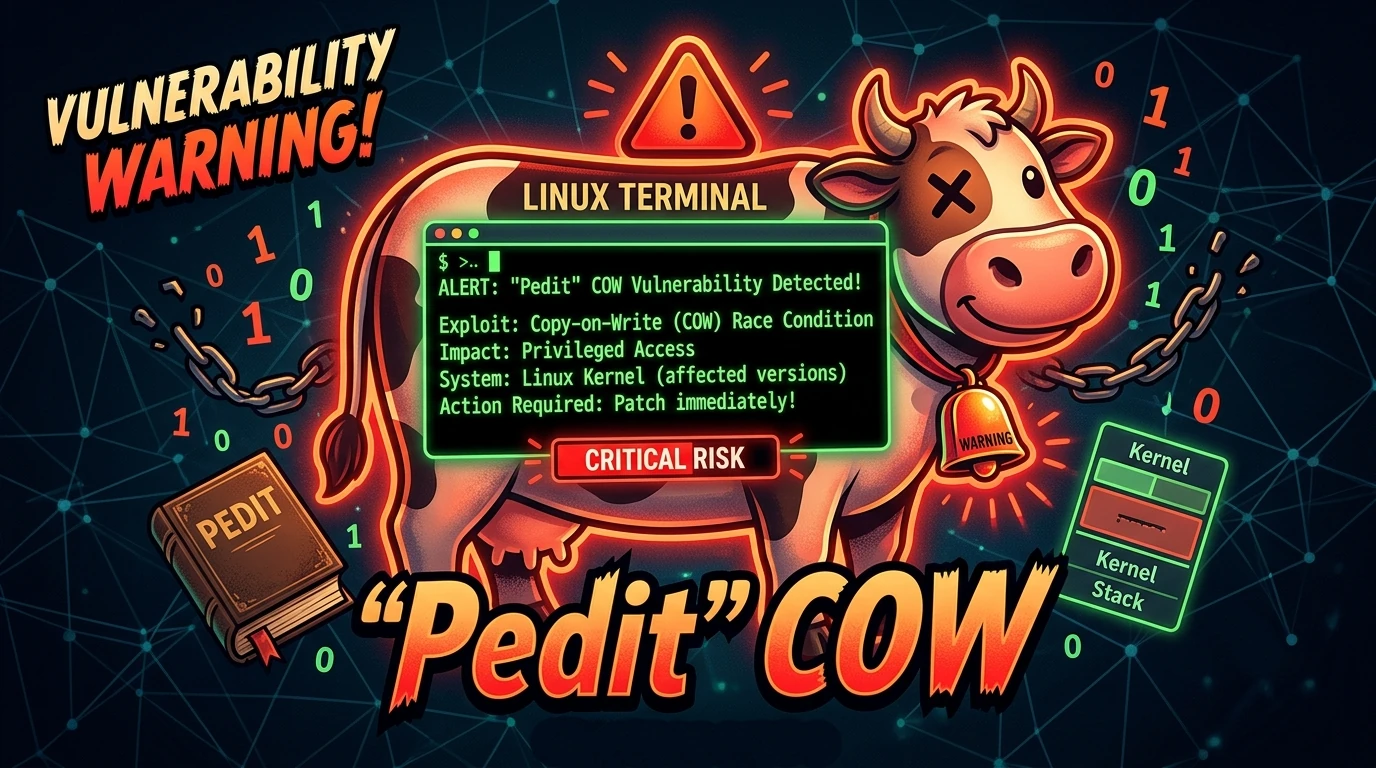
Pedit COW Explained: The Linux Kernel Flaw Letting Local Users Become Root
A new Linux kernel vulnerability nicknamed “pedit COW” has become one of the biggest sec…
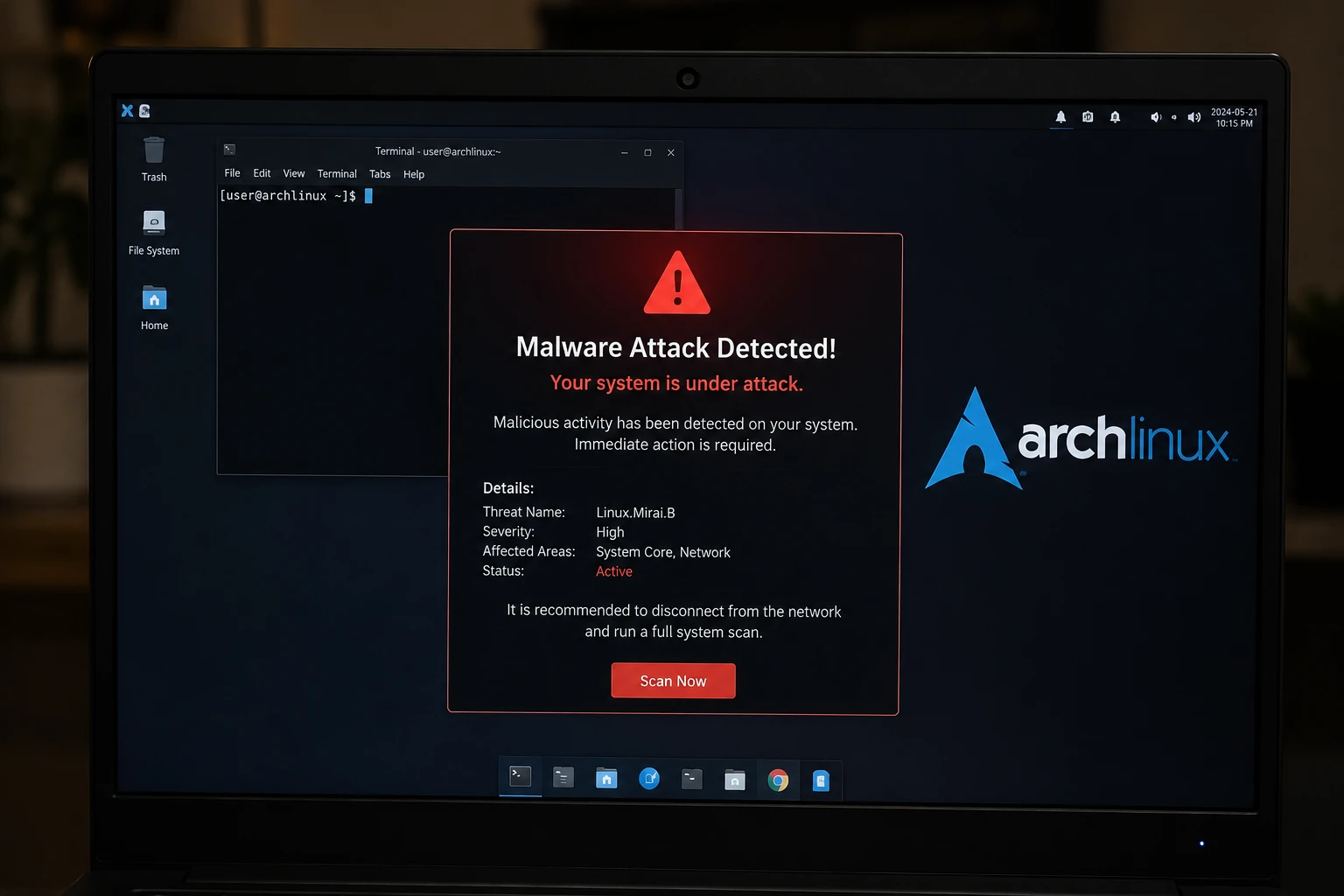
The AUR Malware Attack Exposed a Fact Most Arch Users Don’t Know
Here is something most Arch Linux users have never thought carefully about: the Arch User Repository…