In a move that could reshape the European public-sector IT landscape, France has officially confirmed plans to accelerate its transition away from proprietary, non-European technologies—starting with a large-scale migration from Windows to Linux across government workstations.
France Shifts to Linux
The announcement, delivered during a ministerial seminar on April 8, 2026, signals a decisive shift in policy: digital sovereignty is no longer viewed as an optional strategic direction, but as a necessity. French officials made it clear that reducing dependence on foreign—particularly U.S.-based—software ecosystems is now a top national priority.
David Amiel, Minister for Public Action and Accounts, captured the tone of the initiative with a statement that leaves little room for ambiguity: France aims to regain control over its digital infrastructure and become resilient to external technological dependencies.
From Policy to Practice: Linux on the Public Sector Desktop
This is not just political rhetoric. France’s Interministerial Directorate for Digital Affairs (DINUM) has already begun executing on this strategy with concrete actions:
- Linux Deployment at Scale: Government workstations are being transitioned to Linux-based operating systems, marking what could become the largest public-sector Linux migration in Europe to date.
- Growing Adoption Base: Over 80,000 civil servants are already using an interministerial digital platform built on sovereign tools.
- Custom Tooling Ecosystem: Applications such as Tchap (a secure messaging platform) and Visio (for video conferencing) are part of a growing suite of government-backed digital services designed to replace foreign alternatives.
While France has experimented with open-source solutions before—such as the GendBuntu project used by the national gendarmerie—this initiative is broader in scope, aiming to standardize Linux usage across multiple ministries and administrative layers.
Beyond the OS: A Full Stack Independence Strategy
France’s ambitions extend far beyond replacing Windows. By the end of 2026, the government plans to systematically transition additional layers of its IT infrastructure:
- Databases: Moving toward open-source or European-managed database systems.
- Cybersecurity Tools: Replacing foreign antivirus and endpoint protection solutions with sovereign alternatives.
- Artificial Intelligence: Investing in European or open-source AI frameworks to avoid reliance on external providers.
This holistic approach highlights a key lesson learned over the past decade: dependency is rarely limited to a single layer of the stack. True digital sovereignty requires control from the operating system up to the application and data layers.
Interoperability Over Lock-In: The OpenBuro Vision
To support this transition, France is also backing broader European initiatives such as OpenBuro and Open-Interop. These projects aim to enforce interoperability standards across software platforms, ensuring that public institutions are not locked into a single vendor ecosystem.
The emphasis on open standards could prove just as important as the Linux migration itself. Without interoperability, replacing one dependency with another remains a constant risk.
Why This Matters for the Linux Ecosystem
For the Linux community and open-source advocates, France’s decision represents more than symbolic validation—it could be a catalyst for tangible ecosystem growth.
Government demand at this scale has a ripple effect:
- Driver and Hardware Support: Vendors are more likely to prioritize Linux compatibility when large institutional clients require it.
- Enterprise Software Availability: Developers of professional and industry-specific applications may accelerate Linux support.
- Ecosystem Investment: Increased funding and visibility for European open-source projects.
In short, when a government commits to Linux, the market tends to follow.
A Broader European Signal
France’s move is likely to influence policy discussions across the European Union, where concerns around data sovereignty, cloud dependency, and foreign surveillance have been intensifying.
Countries like Germany and the Netherlands have previously explored similar initiatives with mixed success. What sets France apart is the scale, coordination, and political backing behind the current effort.
What Comes Next?
The next milestone is set for June 2026, when France will host its first “Digital Industry Meetings.” These discussions are expected to formalize a broader alliance for European digital sovereignty, potentially bringing together governments, private sector players, and open-source communities.
If successful, this initiative could mark a turning point—not just for Linux adoption in government, but for the balance of power in the global software ecosystem.
Final Thoughts – France Shifts to Linux
France’s transition to Linux is not just a technical migration—it’s a strategic realignment. By prioritizing open-source solutions and reducing reliance on foreign technology providers, the country is positioning itself at the forefront of a growing movement toward digital independence.
For Linux users and developers, this is the kind of real-world adoption that validates decades of work. And if the momentum continues, 2026 may well be remembered as the year Linux finally broke through at the highest levels of government IT.

Immutable Linux Distros Explained: The Image-Based OS Revolution in 2026
Immutable Linux distros have moved from a niche experiment to a mainstream desktop option in 2026. F…

GhostLock: A 15-Year Linux Kernel Bug Has a 5-Second Public Root Exploit
A Linux kernel vulnerability that has been hiding in plain sight since 2011 was publicly disclosed o…

How to Install Linux on a Laptop: A Step-by-Step Guide – 2026
Switching to Linux can breathe new life into an aging laptop, boost your privacy, and hand you full …
Pedit COW Explained: The Linux Kernel Flaw Letting Local Users Become Root
A new Linux kernel vulnerability nicknamed “pedit COW” has become one of the biggest sec…
The AUR Malware Attack Exposed a Fact Most Arch Users Don’t Know
Here is something most Arch Linux users have never thought carefully about: the Arch User Repository…
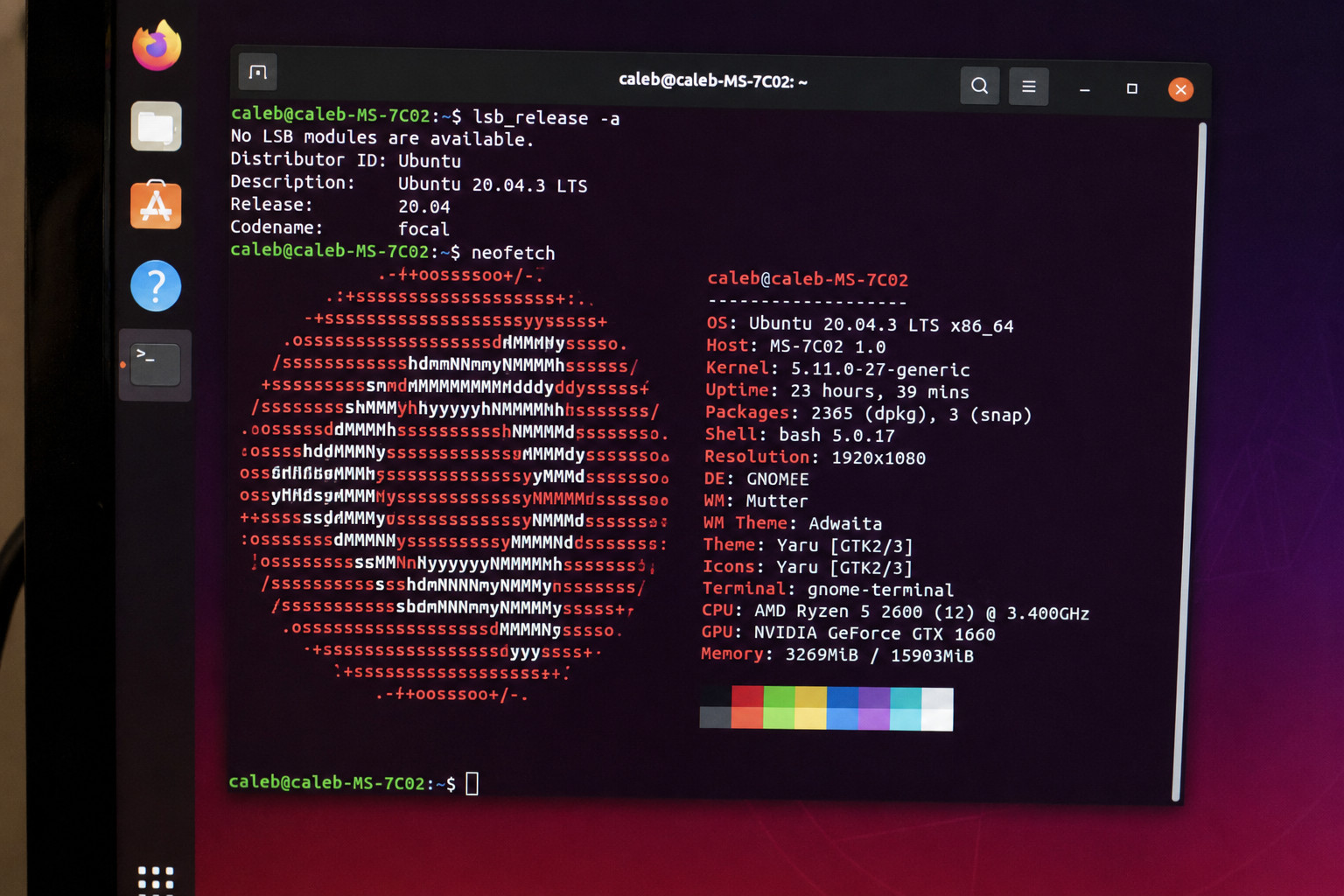
Ctrl+C Ctrl+V Not Working in Terminal? Here’s Why (Linux)
Ctrl+C Ctrl+V not working in terminal is one of the most common points of confusion for anyone new t…