
Here’s a tested and working FREE IPTV playlist for you:
CLICK HERE FOR THE FREE IPTV PLAYLIST
What Is IPTV and How Does It Work?
IPTV (Internet Protocol Television) is a way of delivering TV content over the internet instead of traditional formats like cable or satellite. Rather than broadcasting signals through antennas or cables, IPTV streams media using your internet connection, giving you more flexibility in what, when, and how you watch.
How IPTV Works
At its core, IPTV converts television content into data packets and sends them over IP networks—the same system that powers websites and online services. Here’s a simplified breakdown:
- Content Source – TV channels, movies, or live broadcasts are captured and encoded into digital format.
- Streaming Servers – These servers store and distribute the content efficiently.
- Delivery via Internet – Content is transmitted through broadband connections using protocols like HTTP or RTSP.
- User Device Playback – Your smart TV, set-top box, or app decodes the stream and displays it in real time.
Unlike traditional TV, IPTV can offer:
- Live TV streaming
- Video on Demand (VoD)
- Time-shifted media (pause, rewind, catch-up TV)
The Role of Linux in Smart TVs
Many modern smart TVs and IPTV boxes rely on Linux under the hood. This open-source operating system plays a critical role in ensuring stability, performance, and flexibility.
Here’s why Linux matters:
- Lightweight and Efficient – Ideal for embedded systems like smart TVs with limited resources.
- Highly Customizable – Manufacturers can tailor the OS for their hardware and user interface.
- Secure and Reliable – Linux-based systems are known for strong security and long uptime.
- Wide Support – Many IPTV apps and streaming services are developed with Linux compatibility in mind.
Platforms like Android TV (which is Linux-based) and various custom smart TV systems depend on Linux to manage networking, decoding video streams, and running apps smoothly.
Why IPTV Is Growing
With faster internet speeds and smarter devices, IPTV is becoming a popular alternative to traditional TV. It allows users to personalize their viewing experience, access global content, and integrate with modern ecosystems like smart homes.
In essence, IPTV combines the power of internet streaming with flexible viewing—while Linux quietly powers much of the experience behind the scenes.
FREE IPTV playlist
Click here for your free IPTV playlist
Immutable Linux Distros Explained: The Image-Based OS Revolution in 2026
Immutable Linux distros have moved from a niche experiment to a mainstream desktop option in 2026. F…

GhostLock: A 15-Year Linux Kernel Bug Has a 5-Second Public Root Exploit
A Linux kernel vulnerability that has been hiding in plain sight since 2011 was publicly disclosed o…
How to Install Linux on a Laptop: A Step-by-Step Guide – 2026
Switching to Linux can breathe new life into an aging laptop, boost your privacy, and hand you full …
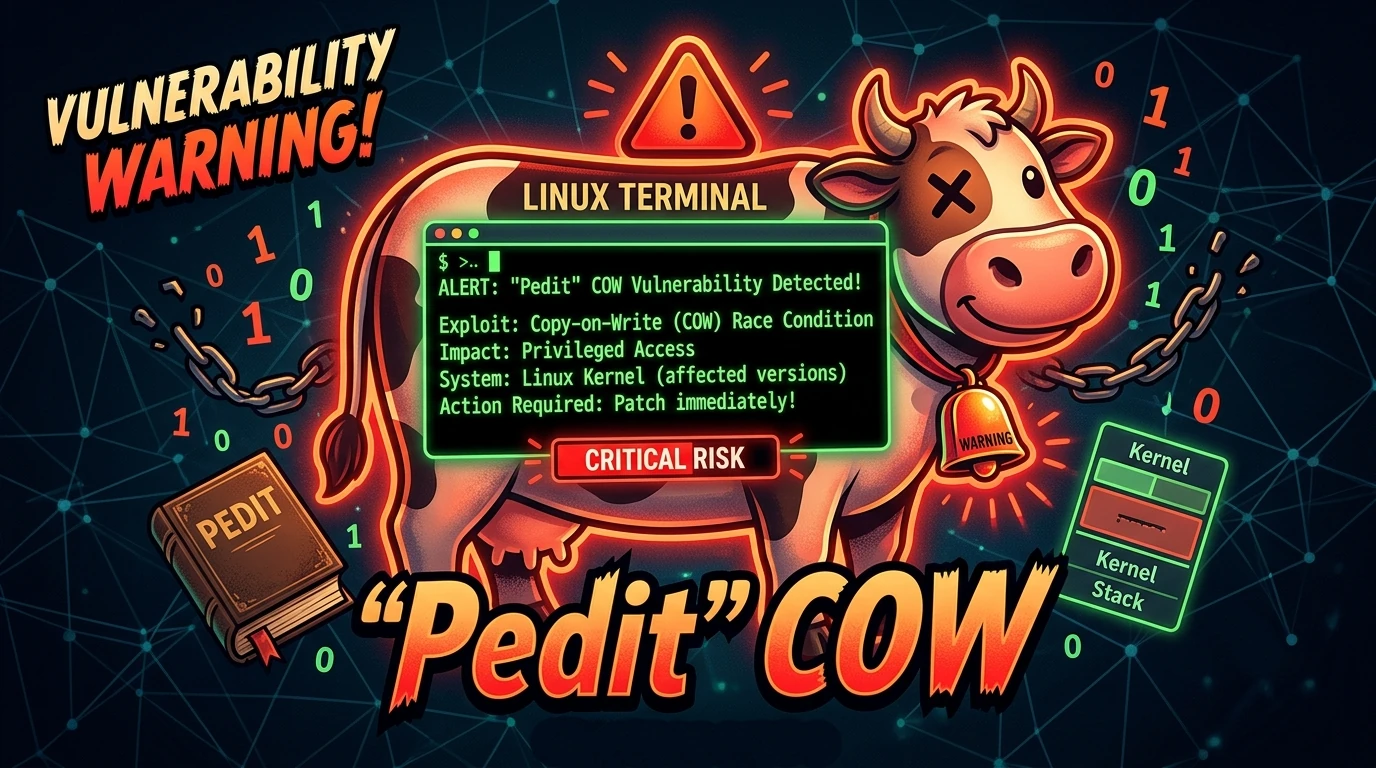
Pedit COW Explained: The Linux Kernel Flaw Letting Local Users Become Root
A new Linux kernel vulnerability nicknamed “pedit COW” has become one of the biggest sec…
The AUR Malware Attack Exposed a Fact Most Arch Users Don’t Know
Here is something most Arch Linux users have never thought carefully about: the Arch User Repository…
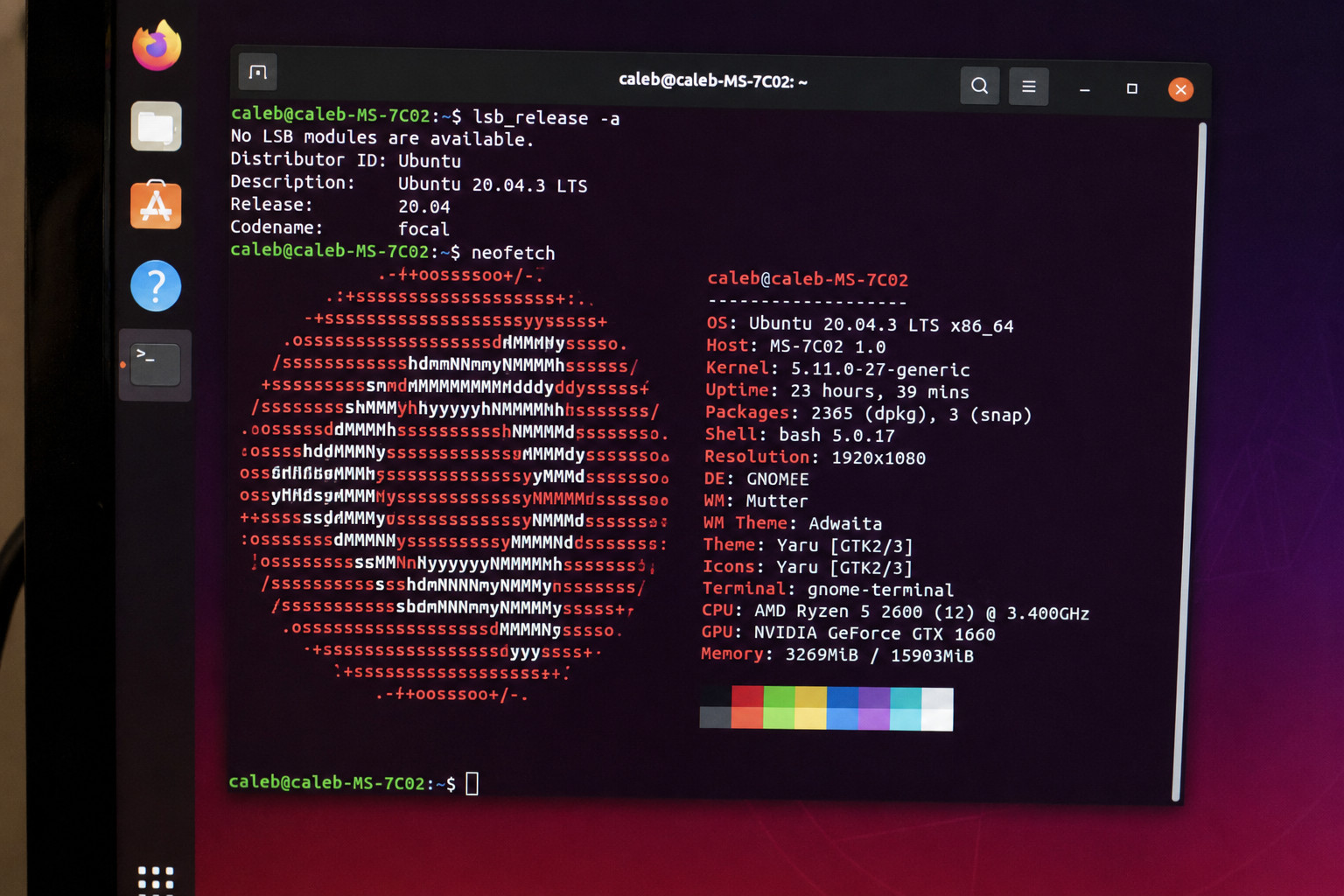
Ctrl+C Ctrl+V Not Working in Terminal? Here’s Why (Linux)
Ctrl+C Ctrl+V not working in terminal is one of the most common points of confusion for anyone new t…