
Oracle Linux 10 has officially arrived, marking a major milestone in enterprise operating systems. Built on over two decades of engineering, innovation, and collaboration with the Linux community, Oracle Linux 10 is designed to deliver unmatched performance, reliability, and scalability across diverse workloads — from on-premises deployments to cloud-native applications.
Oracle Linux 10 maintains 100% application binary compatibility with Red Hat Enterprise Linux 10 and delivers on Oracle’s commitment to keeping Linux open and free for everyone. Whether you’re managing mission-critical servers, deploying containers, or supporting complex DevOps pipelines, Oracle Linux 10 provides the solid foundation modern enterprises demand. Oracle
What Is Oracle Linux?
Oracle Linux is a free and open-source enterprise operating system based on Red Hat Enterprise Linux (RHEL). It’s known for its compatibility, performance, and advanced security features, making it a preferred choice for businesses running Oracle software or seeking a robust and stable Linux platform.
As a founding member of the Open Enterprise Linux Association (OpenELA), Oracle continues to contribute, maintain, and support freely available Enterprise Linux source code. Since its initial release in 2006, Oracle Linux has powered countless data centers, cloud environments, and mission-critical workloads.
What’s New in Oracle Linux 10?
1. Unbreakable Enterprise Kernel 8.1 (UEK 8.1)
The headline feature of Oracle Linux 10 is its new default kernel. UEK 8 delivers state-of-the-art innovations in memory management, file systems, and networking, with enhancements contributed by both Oracle and the upstream Linux community to provide the performance and reliability essential to today’s enterprises.
For new installations, the UEK kernel is automatically enabled and installed and becomes the default kernel on first boot. On x86_64 systems, users can also choose the Red Hat Compatible Kernel (RHCK) for full RHEL binary compatibility. On aarch64 (ARM) platforms, Oracle Linux 10 ships with the UEK kernel only — RHCK is not provided for this architecture.
2. Oracle Ksplice — Zero-Downtime Patching
One of Oracle Linux’s most compelling enterprise features gets even better in version 10. Oracle Ksplice zero-downtime patching, available with Oracle Linux Premier Support, enables critical kernel and user space updates — including glibc and OpenSSL — without requiring system reboots. For production environments where uptime is non-negotiable, this alone is a major reason to evaluate Oracle Linux 10.
3. Post-Quantum Cryptography Support
Security gets a significant forward-looking upgrade. Oracle Linux 10 introduces post-quantum cryptography alongside an updated OpenSSH implementation that delivers robust authentication improvements and mitigations against common attack vectors. This positions the OS ahead of the curve for organisations preparing for quantum-era threats.
4. Cgroup v2 Only
Oracle Linux 10 now only uses cgroup v2, regardless of the kernel command line setting. This is an important change for anyone running containers or managing resource control — ensure your container runtimes and orchestration tools support cgroup v2 before migrating.
5. Predictable Network Interface Names
The net.ifnames=0 option is removed from kernel arguments and all systems now use predictable network interface names. Disk images created with image builder also have predictable network interface names. This improves consistency across deployments and reduces configuration drift in automated environments.
6. ISC Kea DHCP Replaces ISC DHCP
The ISC Kea DHCP server solution is now available in Oracle Linux 10, replacing ISC DHCP. The dhcp-client package has been removed. If your infrastructure scripts depend on the old DHCP tooling, plan your migration ahead of upgrading.
7. GRUB2 2.12
The grub2 package in Oracle Linux 10 is released at version 2.12, bringing notable new features and changes to the bootloader.
Oracle Linux 10 vs RHEL 10 vs AlmaLinux 10 — Quick Comparison
| Feature | Oracle Linux 10 | RHEL 10 | AlmaLinux 10 |
|---|---|---|---|
| Cost | Free | Paid subscription | Free |
| RHEL binary compatible | Yes | Source | Yes |
| Custom kernel (UEK) | Yes | No | No |
| Zero-downtime patching | Yes (Ksplice, paid) | No | No |
| OCI cloud optimised | Yes | No | No |
| Commercial support | Available | Included | Available |
| cgroup v2 | Yes | Yes | Yes |
Who Should Use Oracle Linux 10?
Oracle Linux 10 is a strong choice for:
- Oracle Database users — fully tested and certified for Oracle Database, Exadata, and OCI workloads
- Enterprises on a budget — all the enterprise stability of RHEL without the subscription cost
- High-availability environments — Ksplice patching means zero maintenance windows for critical updates
- Cloud-native teams — built-in Podman, Buildah, and OCI-compliant container tooling
- Organisations moving from CentOS — binary compatibility makes migration straightforward
Oracle Linux sources, binaries, ISOs, and errata are freely available and easily accessible from the Oracle Linux yum server, without restrictions.
Why Choose Oracle Linux 10?
Here’s what sets Oracle Linux 10 apart from other enterprise distributions:
- 💡 Free to use and download – No subscription required for updates or patching
- 🔒 Secure by design – Built-in hardening and compliance tools
- 🚀 High performance – Optimized kernel and tuned cloud images
- 🧩 Flexible lifecycle – Use what you need, keep your core stable
- 🛠️ Backed by Oracle – Commercial support available, but not required
It’s ideal for businesses seeking a stable, scalable, and cloud-ready Linux distribution with a strong focus on performance and enterprise integration.
How to Install Oracle Linux 10
- Download the ISO from the Oracle Linux yum server or Oracle Software Delivery Cloud
- Create a bootable USB using
ddor Fedora Media Writer - Boot from the drive and follow the Anaconda installer
- Choose between UEK (default, recommended) or RHCK depending on your workload needs
- Register for Oracle Linux Premier Support if you need Ksplice patching
Support Lifecycle
Oracle Linux follows a long-term support model comparable to RHEL:
- Premier Support: up to 10 years from release
- Extended Support: available after Premier Support expires for stable production environments
- Sustaining Support: available indefinitely thereafter
This makes Oracle Linux 10 a safe long-term investment for infrastructure teams that prioritise stability and low-risk update cycles.
Final Verdict
Oracle Linux 10 is one of the most feature-complete free enterprise Linux distributions available today. The combination of RHEL compatibility, UEK 8.1, zero-downtime Ksplice patching, and post-quantum cryptography makes it a compelling option not just for Oracle shops, but for any organisation that needs a production-grade Linux without a subscription bill. If you’re currently on Oracle Linux 8 or 9 — or still migrating from CentOS 7 — Oracle Linux 10 deserves a serious look.
🔽 Download Oracle Linux 10
You can download Oracle Linux 10 directly from the official Oracle Software Delivery portal.

Oracle Linux 9.6: A Major Step Forward for Enterprise Linux
Oracle has announced the general availability of Oracle Linux 9.6, a powerful update that solidifies its position as a leading enterprise-grade Linux distribution. Designed to support the modern demands of both on-premises and cloud-native environments, version 9.6 brings new kernel options, improved security features, enhanced container tools, and broader hardware compatibility. It caters to system… Read More »

Best Linux Distro for Gaming in 2026 (AMD, NVIDIA and Beginner Picks)
Updated: May 2026 | Covers desktop, laptop and handheld gaming | Steam, Proton, and native titles Li…
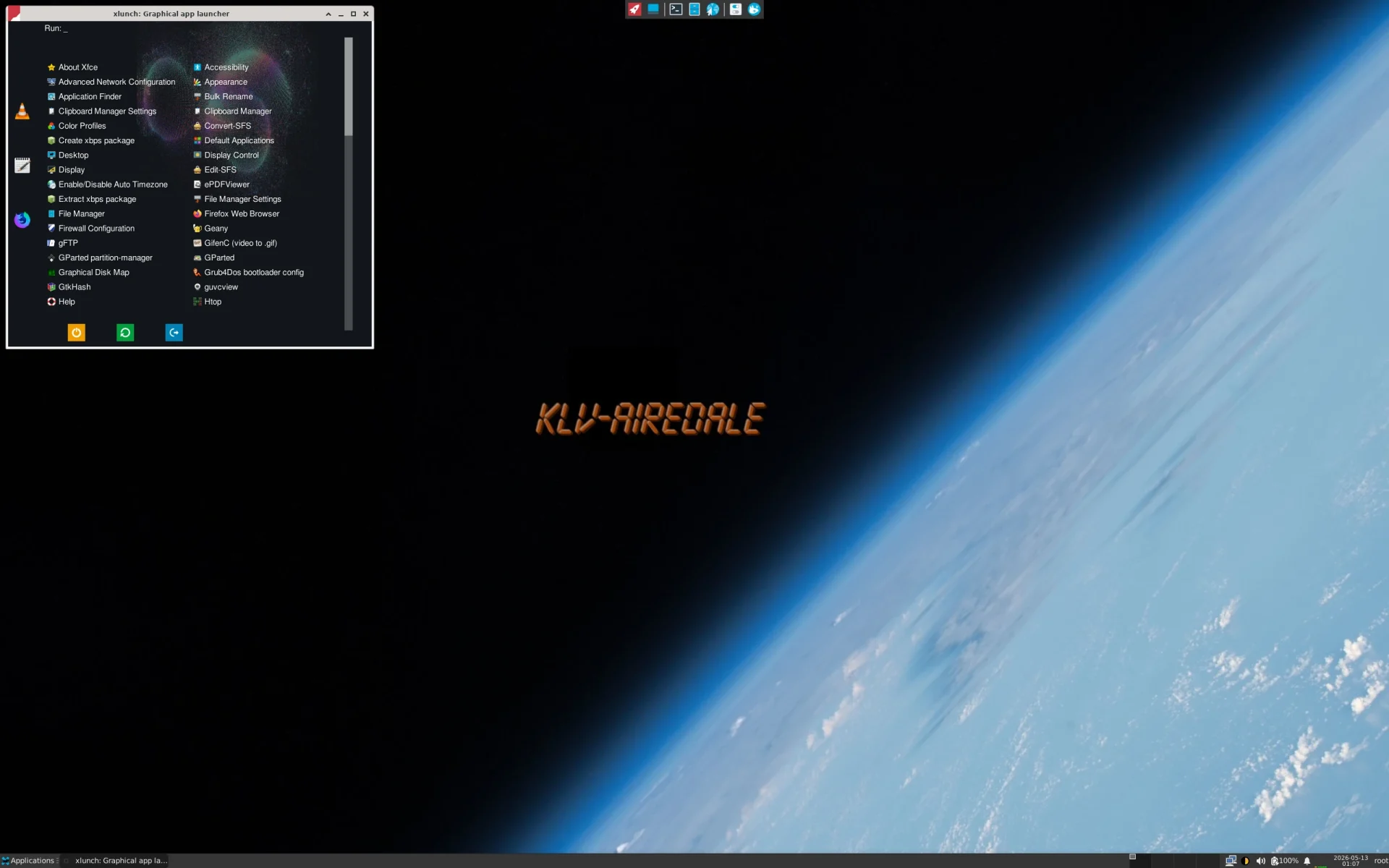
KLV-Airedale: The Void Linux Distro That Thinks Like Puppy Linux
Most Linux distributions fit neatly into one of two camps: the polished mainstream distros that hold…

Best Linux Distro for Old Laptops in 2026 (Your Windows 10 Replacement Guide)
Updated: May 2026 | Tested on hardware with 1GB–8GB RAM | Covers laptops from 2010–2020 Windows 10 s…

Internet of Everything in simple terms
For years, the term Internet of Things (IoT) has been used to describe a world where everyday devices connect to the internet. Smart thermostats, connected cars, wearable health trackers, and…Read more