For years, the standard advice for any Linux laptop user has been: “Just install TLP and forget about it.” While TLP remains a powerhouse for managing background hardware states, the landscape of Linux laptop battery optimization in 2026 has evolved.
With the release of TLP 1.10 and the rise of AI-driven frequency scaling, simply “setting and forgetting” is no longer enough to get the 10+ hours of life your hardware is capable of. This tutorial will show you how to stack the best modern tools for maximum endurance.
1. The Core: Mastering TLP 1.10.1
The latest TLP 1.10.1 (released May 2026) introduces better support for hybrid graphics and NVMe deep sleep states.
Installation (Ubuntu/Debian):
Bash
sudo apt update
sudo apt install tlp tlp-rdw
sudo systemctl enable tlp
sudo systemctl start tlp
Pro Tip: Most users don’t realize TLP has a “Battery Charge Threshold” feature for modern laptops (like ThinkPads or Dells). This prevents your battery from charging past 80%, significantly extending the physical lifespan of your hardware.
2. The “Secret Sauce”: auto-cpufreq
While TLP handles your Wi-Fi, USB, and Radio states, it isn’t always the best at managing your CPU’s “thirst” for power in real-time. This is where auto-cpufreq comes in. It acts as an intelligent daemon that monitors your laptop’s state and dynamically adjusts CPU speeds and turbo boost.
Why use it?
- On Battery: It aggressively keeps your CPU in “Powersave” mode.
- On AC: It instantly switches to “Performance” to give you full speed for compiled tasks or gaming.
3. Monitoring Your “Energy Vampires”
You can’t optimize what you don’t measure. In 2026, Powerstat is the preferred terminal tool for pinpointing which process is sucking the most milliwatts.
Run a 5-minute test:
Bash
sudo powerstat -d 5
Look for “System Watts.” If you are idling above 7–8W on a modern ultrabook, you likely have a background process (like a rogue browser tab or an unoptimized Electron app) that needs to be killed.
Optimization Comparison Table (2026)
| Tool | Focus Area | Best For |
| TLP 1.10 | Hardware States (WiFi, USB, Disk) | General Endurance |
| auto-cpufreq | CPU Scaling & Turbo Boost | Balancing Speed vs. Power |
| Slimbook Battery | GUI-based Profile Switching | Beginners who hate the Terminal |
| Thermald | Thermal Throttling | Preventing Overheating in Thin Laptops |
4. Advanced: Wayland and Hardware Acceleration
If you are still using X11, you are wasting battery. Wayland maturity in 2026 has reached a point where it is significantly more power-efficient for video playback. Ensure your browser (Chrome or Firefox) has VA-API Hardware Acceleration enabled. This offloads video decoding from your power-hungry CPU to your efficient GPU.
Conclusion: The “Stack” Strategy
For the best results on Linux laptop battery optimization in 2026, don’t just pick one tool. Use the “Stack Strategy”:
- TLP for background hardware management.
- auto-cpufreq for intelligent CPU control.
- Wayland for efficient UI rendering.
By combining these, many users report a 30-40% increase in battery life compared to a stock installation.
FAQ
Q: Will TLP conflict with auto-cpufreq?
A: Generally, no. However, you should disable TLP’s CPU scaling settings in /etc/tlp.conf to let auto-cpufreq handle the processor exclusively.
Q: Does lowering my battery charge threshold really help?
A: Yes. Keeping a lithium-ion battery between 20% and 80% can double the number of charge cycles it lasts before degrading.
Q: Can I use these tools on a desktop?
A: You can, but it’s mostly useless. These are specifically designed for the power-management needs of mobile hardware.
Q: Why is my Linux laptop battery life worse than Windows?
A: It usually isn’t the OS—it’s the drivers. Proprietary Windows drivers are often fine-tuned by the manufacturer. Using the tools above bridges that gap by manually applying those same optimizations.

Immutable Linux Distros Explained: The Image-Based OS Revolution in 2026
Immutable Linux distros have moved from a niche experiment to a mainstream desktop option in 2026. F…

GhostLock: A 15-Year Linux Kernel Bug Has a 5-Second Public Root Exploit
A Linux kernel vulnerability that has been hiding in plain sight since 2011 was publicly disclosed o…
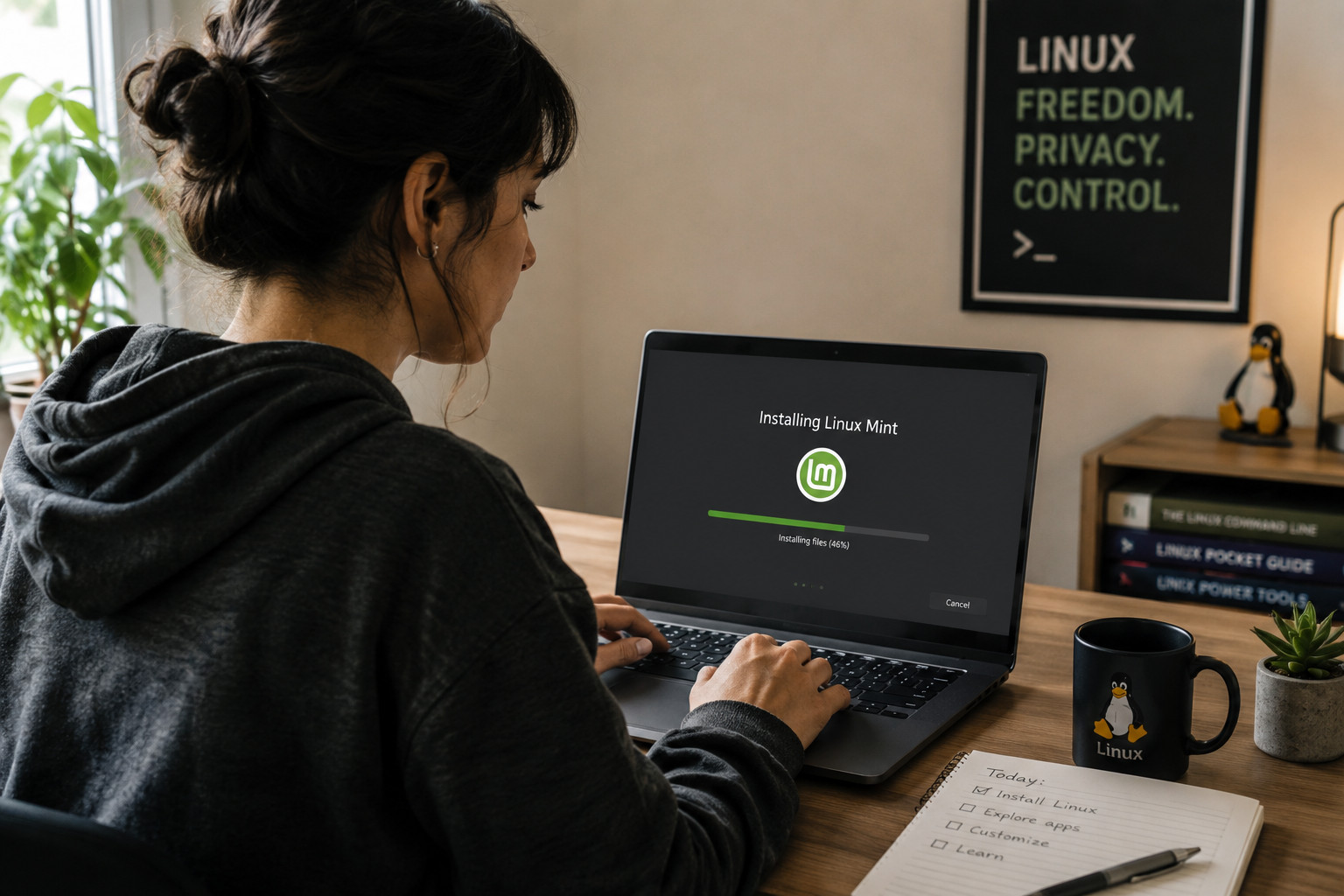
How to Install Linux on a Laptop: A Step-by-Step Guide – 2026
Switching to Linux can breathe new life into an aging laptop, boost your privacy, and hand you full …
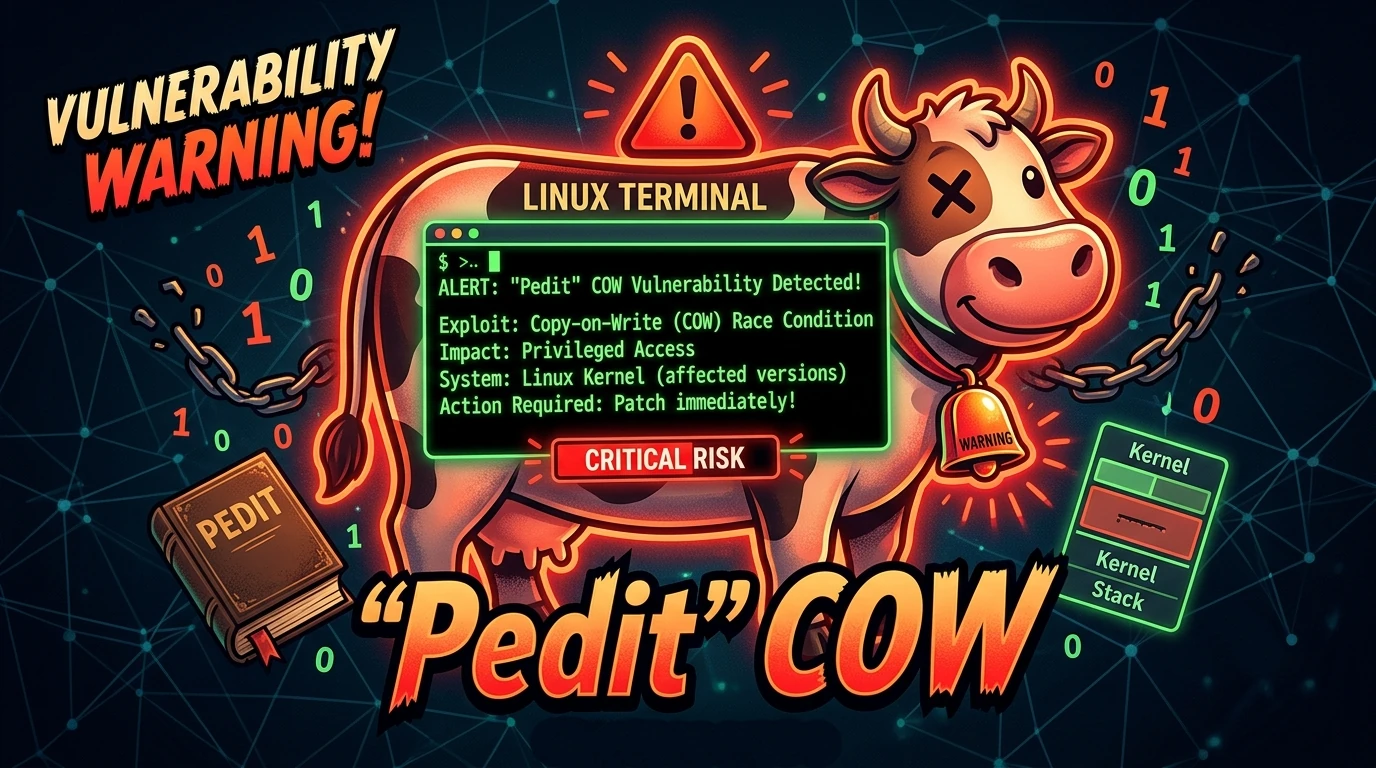
Pedit COW Explained: The Linux Kernel Flaw Letting Local Users Become Root
A new Linux kernel vulnerability nicknamed “pedit COW” has become one of the biggest sec…
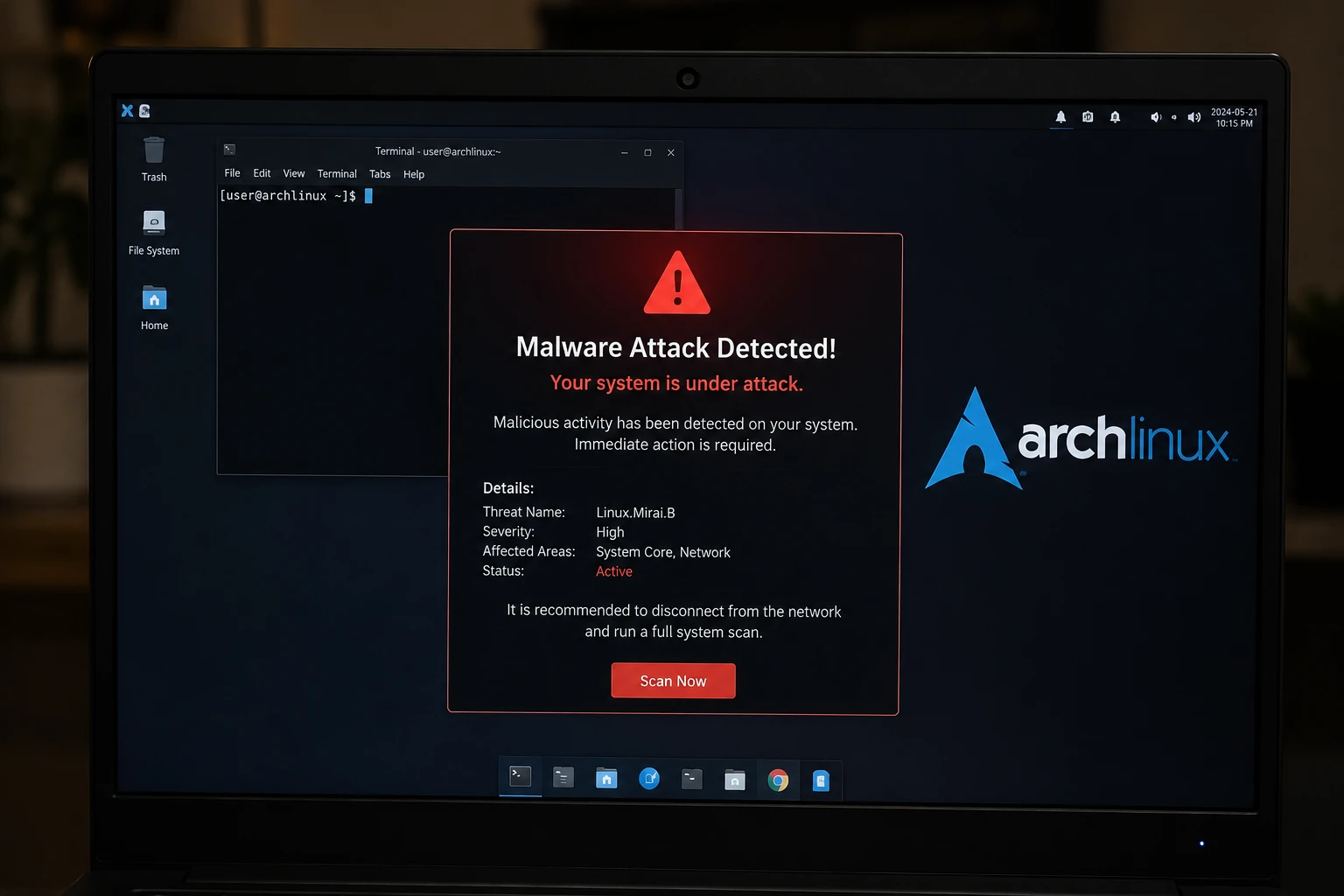
The AUR Malware Attack Exposed a Fact Most Arch Users Don’t Know
Here is something most Arch Linux users have never thought carefully about: the Arch User Repository…
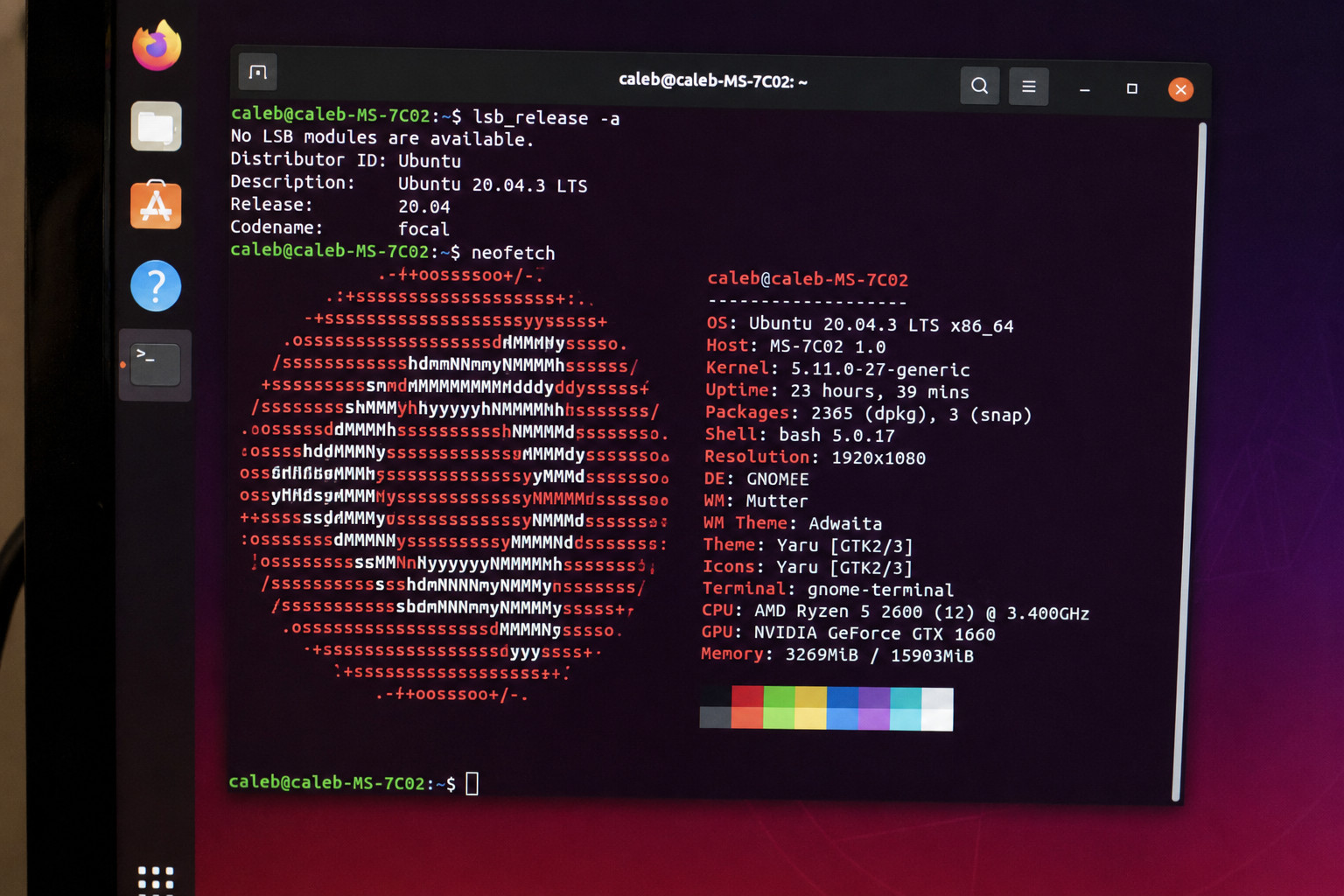
Ctrl+C Ctrl+V Not Working in Terminal? Here’s Why (Linux)
Ctrl+C Ctrl+V not working in terminal is one of the most common points of confusion for anyone new t…

Maximize Your Savings: A Guide to Smart Home Energy Incentives in the U.S. (2026)
If you live in the United States, your monthly electric bill is likely one of your largest recurring expenses. However, most homeowners are unaware that their gadgets can actually earn…