Short answer: once Gentoo Linux is installed and configured, it can be perfectly “user-friendly” to use — but it still expects an experienced user to maintain.
Here’s the practical, no-marketing version.
Daily use: 👍 yes, it can feel normal
After Gentoo is fully set up (desktop, drivers, audio, printing, etc.):
- You use it like any other Linux desktop
(GNOME, KDE, XFCE, apps, browser, office, media) - Normal tasks do not require expert knowledge
- You don’t “see” Gentoo during daily work
For example:
- Browsing, coding, office work → no different than Fedora/Debian
- Package updates → one command
- System runs fast, lean, and predictable
So end-users don’t need to be Linux experts once it’s stable.
Maintenance & updates: ⚠️ this is the catch
Gentoo does require understanding Linux concepts over time.
You should be comfortable with:
- Reading update notices (
eselect news) - Handling occasional:
- dependency conflicts
- USE flag changes
- rebuilds after major updates
- Knowing what your system is built from
Example of a normal Gentoo moment:
“This package wants a different USE flag, so I’ll adjust it and rebuild.”
That’s not hard, but it’s not beginner-level either.
How it compares to other distros
| Distro | Daily use | Maintenance | Skill level |
|---|---|---|---|
| Ubuntu | Easy | Very easy | Beginner |
| Linux Mint | Easy | Very easy | Beginner |
| Fedora | Easy | Moderate | Intermediate |
| Arch | Easy | Moderate–Hard | Intermediate+ |
| Gentoo | Easy | Harder | Advanced |
Gentoo is not harder than Arch in daily use,
but more complex long-term due to source builds and customization.
Who Gentoo Linux is perfect for
Gentoo makes sense if you:
- Enjoy control and understanding
- Want a tailored system
- Like learning how Linux really works
- Prefer stability through knowledge, not automation
It’s often used by:
- Developers
- Sysadmins
- Performance-focused users
- Linux enthusiasts who want full control
Who Gentoo is not ideal for
Gentoo may frustrate you if you:
- Want “install once, forget forever”
- Hate troubleshooting
- Don’t want to read documentation
- Need a system that “just updates” unattended
Bottom line
Using Gentoo ≠ being a Linux expert
Maintaining Gentoo ≈ knowing Linux fairly well
If you:
- Set it up carefully
- Update regularly
- Read news before big upgrades
→ Gentoo can run for years without drama.

Immutable Linux Distros Explained: The Image-Based OS Revolution in 2026
Immutable Linux distros have moved from a niche experiment to a mainstream desktop option in 2026. F…

GhostLock: A 15-Year Linux Kernel Bug Has a 5-Second Public Root Exploit
A Linux kernel vulnerability that has been hiding in plain sight since 2011 was publicly disclosed o…
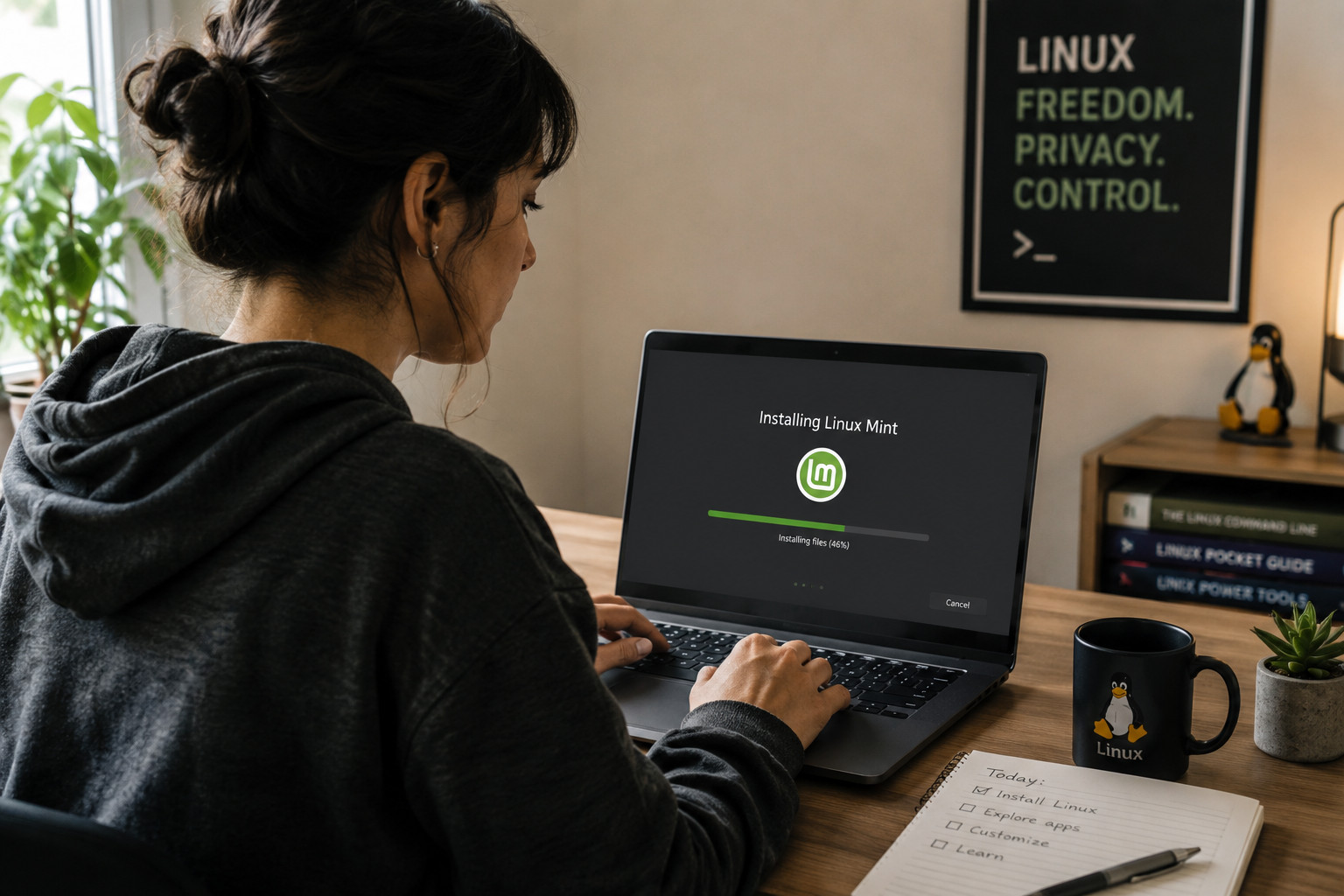
How to Install Linux on a Laptop: A Step-by-Step Guide – 2026
Switching to Linux can breathe new life into an aging laptop, boost your privacy, and hand you full …
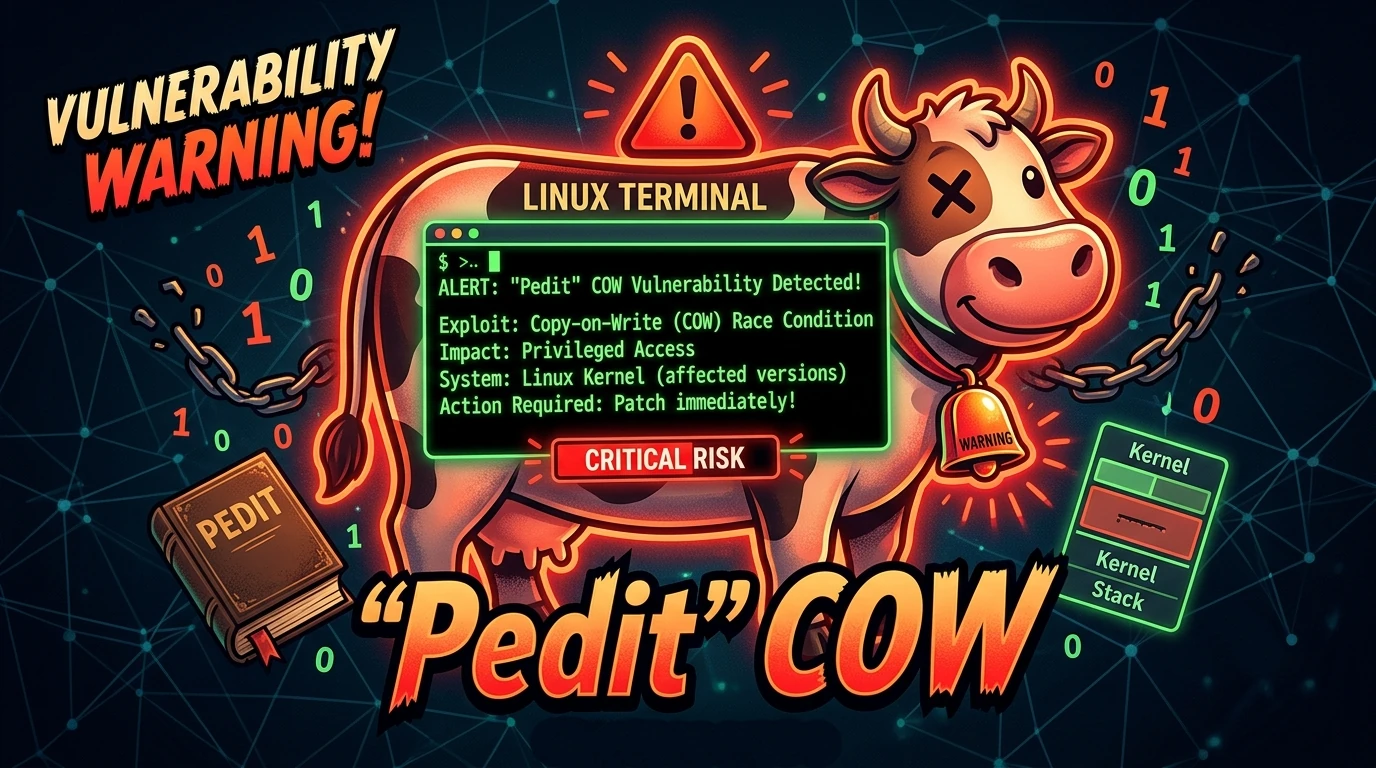
Pedit COW Explained: The Linux Kernel Flaw Letting Local Users Become Root
A new Linux kernel vulnerability nicknamed “pedit COW” has become one of the biggest sec…
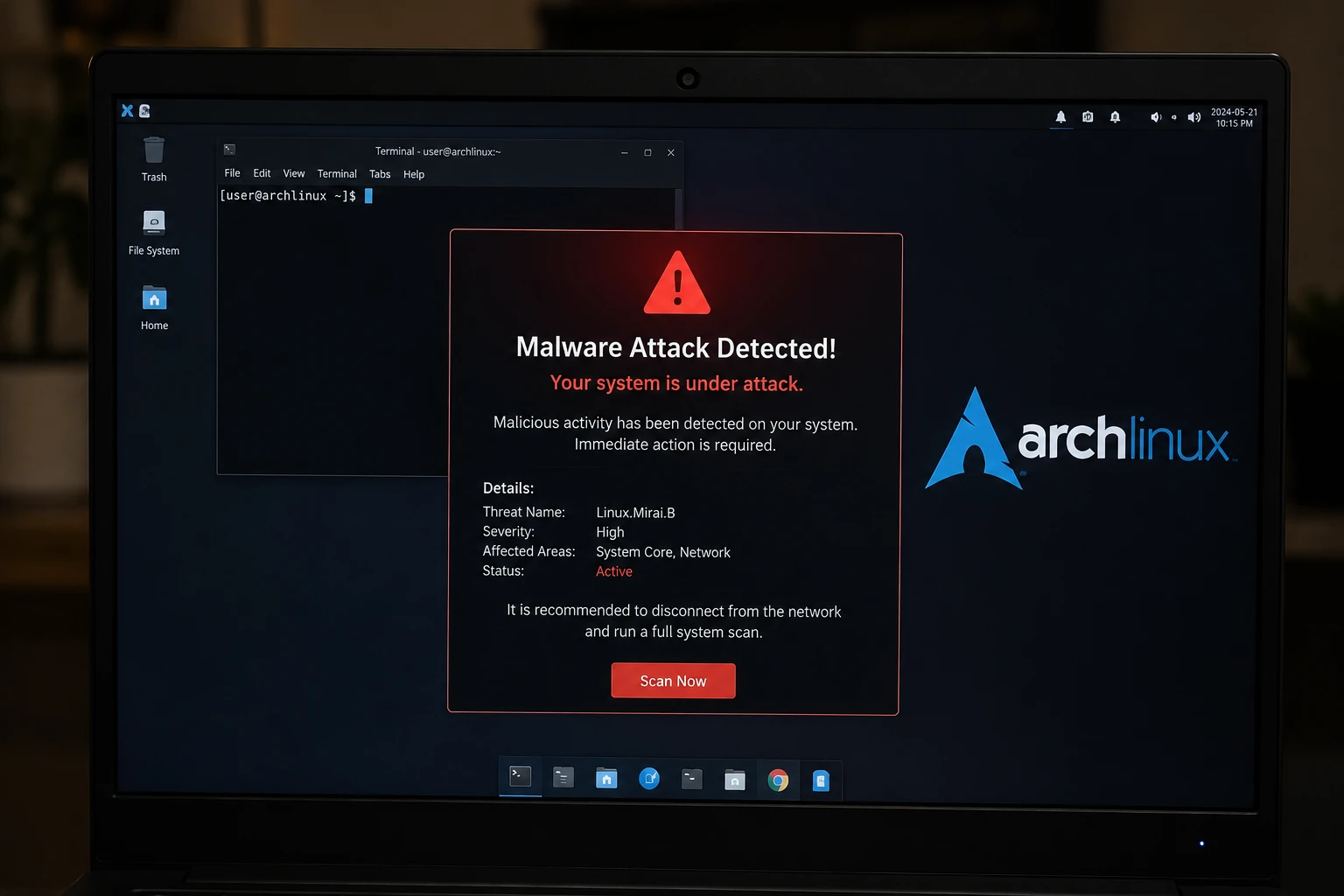
The AUR Malware Attack Exposed a Fact Most Arch Users Don’t Know
Here is something most Arch Linux users have never thought carefully about: the Arch User Repository…
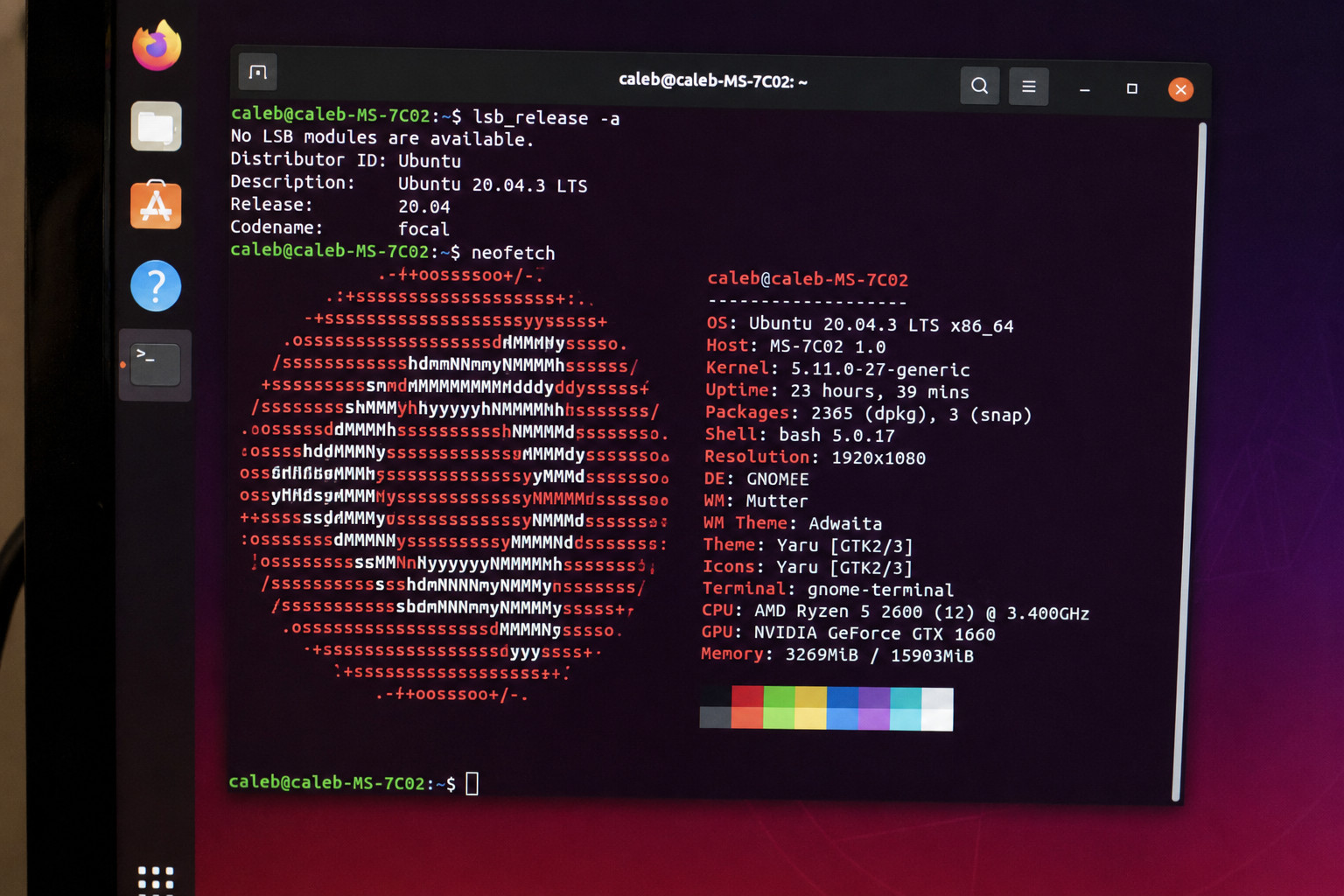
Ctrl+C Ctrl+V Not Working in Terminal? Here’s Why (Linux)
Ctrl+C Ctrl+V not working in terminal is one of the most common points of confusion for anyone new t…