openSUSE 16 has opened a bold new chapter with its latest Leap release, inviting users into a future where reliability meets modern features. Built with a collaborative model, this release cements Leap’s position as a robust operating system balancing stability and innovation.
A Fresh Approach to Leap
Leap’s evolution has been steadily guided by community input and partnerships with major projects and vendors. The new release signals a refined trajectory: one where Leap maintains its strong foundation while integrating modern capabilities to stay relevant.
This version bridges the gap between long-term enterprise stability and the adaptability of rolling models. Users can expect:
- Solid core base with tested, dependable components
- Selective adoption of newer software features
- Enhanced hardware support across architectures
- Community-driven input shaping the distro’s direction
The philosophy is not to chase the bleeding edge, but to thoughtfully include advances that enhance usability without compromising the system’s reliability.
What’s New Under the Hood
Core Stack and Base System
The new Leap release continues to use a shared codebase with SUSE Linux Enterprise, ensuring enterprise-grade quality and stability. Key software and infrastructure upgrades include:
- A current Linux kernel version, with improvements in hardware support, power management, and performance tuning
- Updated system libraries and runtimes, including support for the latest programming languages, databases, and development frameworks
- Better integration of container and virtualization components, aligning Leap with cloud and hybrid environments
- Strengthened security defaults — hardened configurations, improved sandboxing techniques, and more robust permission models
Enhanced Desktop Experience in openSUSE 16
While Leap always offers multiple desktop environments, this release focuses on user polish and consistency. Users will find:
- Better theming and workflow integration across Plasma, GNOME, Xfce, and others
- Improved high-DPI support and scaling for modern displays
- Smoother animations and interface refinements for usability
- Optimized session startup and shutdown speeds
Better Hardware Compatibility
This release makes strides in supporting modern hardware, including:
- Extended driver coverage for GPUs, Wi-Fi, and newer chipsets
- UEFI refinements, Secure Boot enhancements, and boot-time optimizations
- Architectures ranging from x86_64 to ARM and potentially more, depending on community involvement
openSUSE’s strong ties with hardware partners help ensure leapfrog adoption of drivers without sacrificing quality.
Who Benefits From This Leap Release?
openSUSE’s new Leap is designed to appeal to a broad but specific audience:
- Enterprises and production environments that require a stable, well-supported base
- Developer workstations where modern tools and containerization are needed alongside reliability
- Power users and sysadmins who appreciate control and longevity
- Community users seeking a distribution that doesn’t force frequent disruptive upgrades
Leap’s balanced approach ensures dependencies, tools, and ecosystems remain dependable over long spans, while still offering room for growth.
Transition and Support Plans
The openSUSE project emphasizes continuity:
- Strong migration pathways from previous Leap versions
- Support and security updates over a sustained period
- Community-driven backports and stable maintenance patches
- Collaborative governance with upstream and partner projects
Users transitioning to the new Leap can expect a predictable roadmap, ample documentation, and community support to ease adoption.
In Conclusion
The newest openSUSE 16 Leap release marks not just another version increment — it’s a reaffirmation of Leap’s role in the Linux ecosystem: a distribution that marries enterprise-grade stability with thoughtful innovation. With careful updates to its core, sharper desktop experiences, and widened hardware support, this Leap stands ready for the challenges of 2025 and beyond.
For users who demand reliability today and flexibility tomorrow, this is openSUSE 16 Leap at its evolving best.
Download openSUSE Leap:
You can download the latest Leap release from the openSUSE official download portal.

Immutable Linux Distros Explained: The Image-Based OS Revolution in 2026
Immutable Linux distros have moved from a niche experiment to a mainstream desktop option in 2026. F…

GhostLock: A 15-Year Linux Kernel Bug Has a 5-Second Public Root Exploit
A Linux kernel vulnerability that has been hiding in plain sight since 2011 was publicly disclosed o…
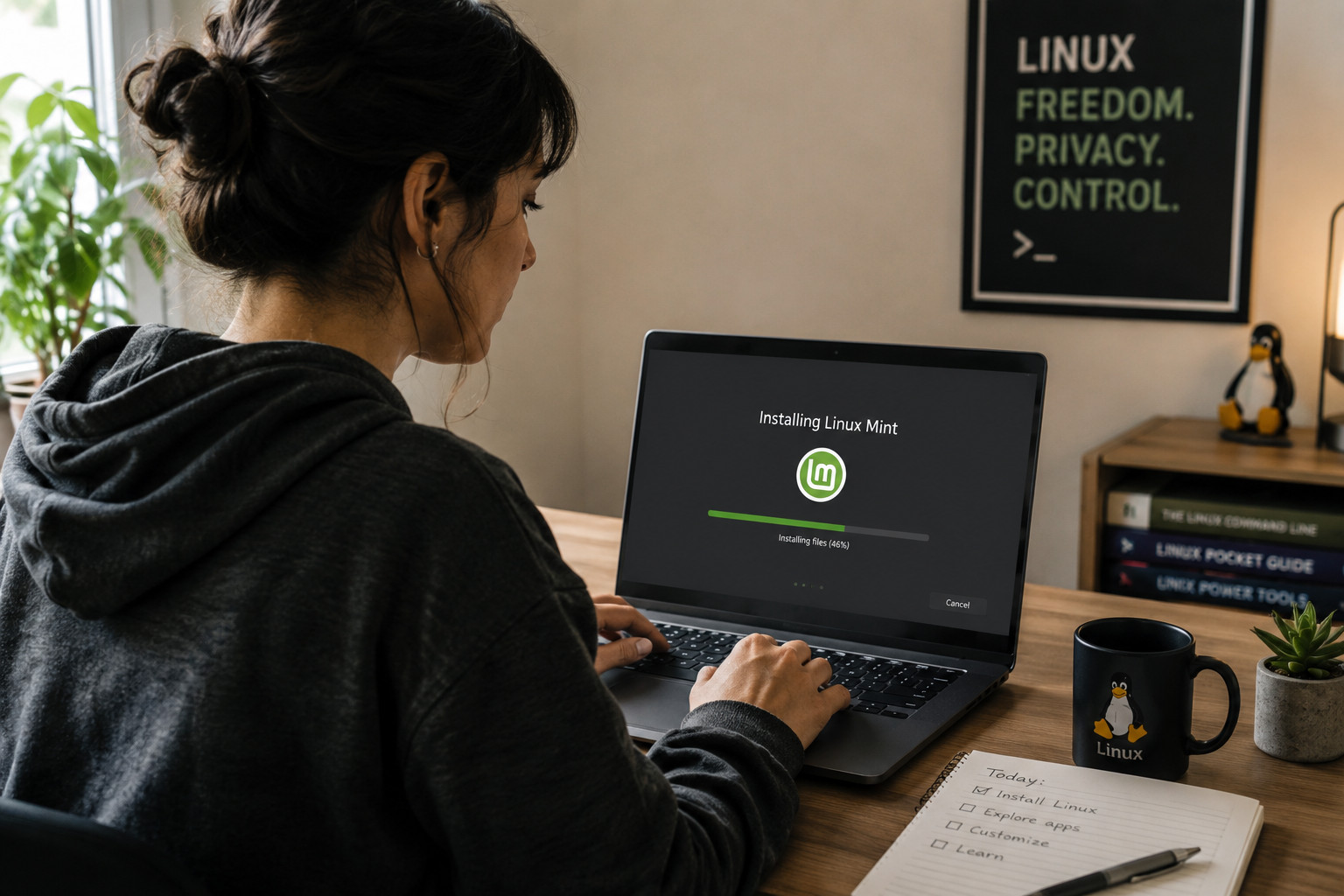
How to Install Linux on a Laptop: A Step-by-Step Guide – 2026
Switching to Linux can breathe new life into an aging laptop, boost your privacy, and hand you full …
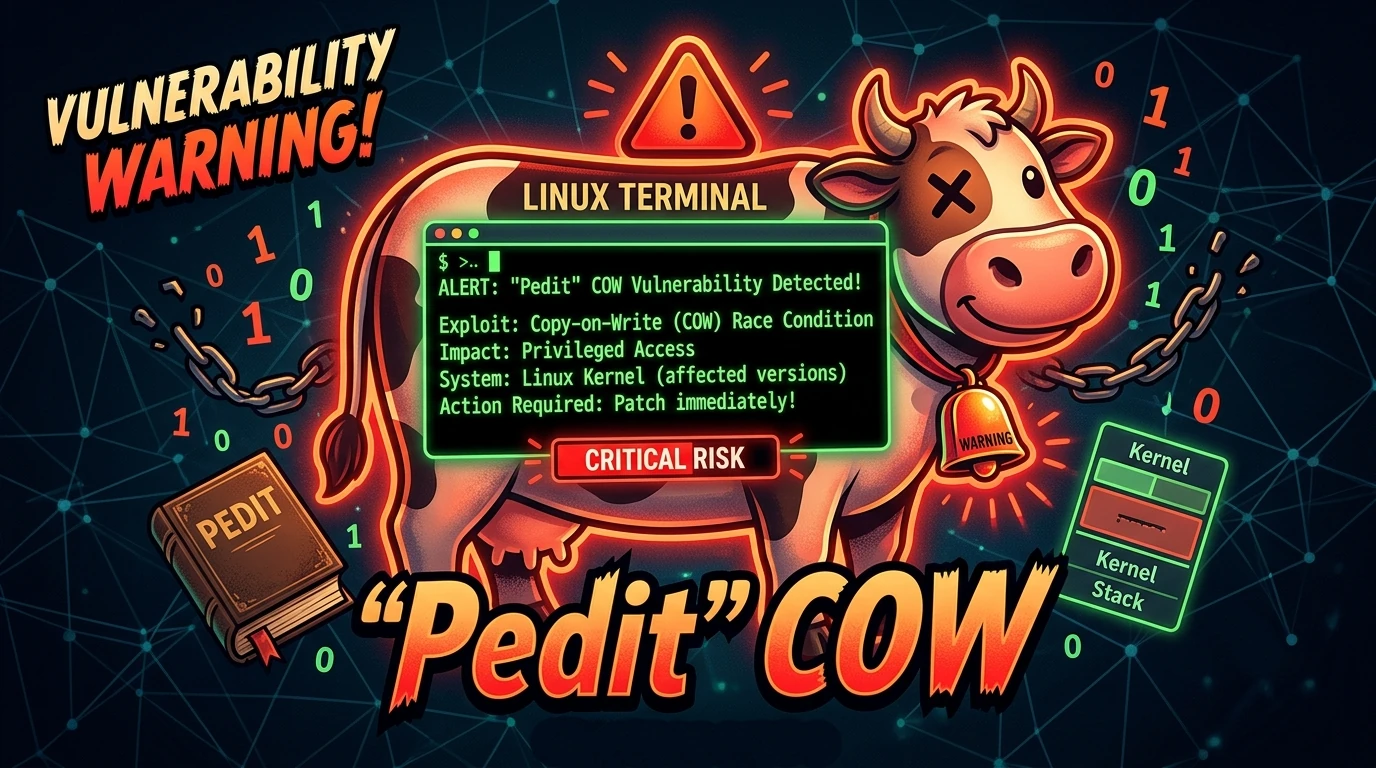
Pedit COW Explained: The Linux Kernel Flaw Letting Local Users Become Root
A new Linux kernel vulnerability nicknamed “pedit COW” has become one of the biggest sec…
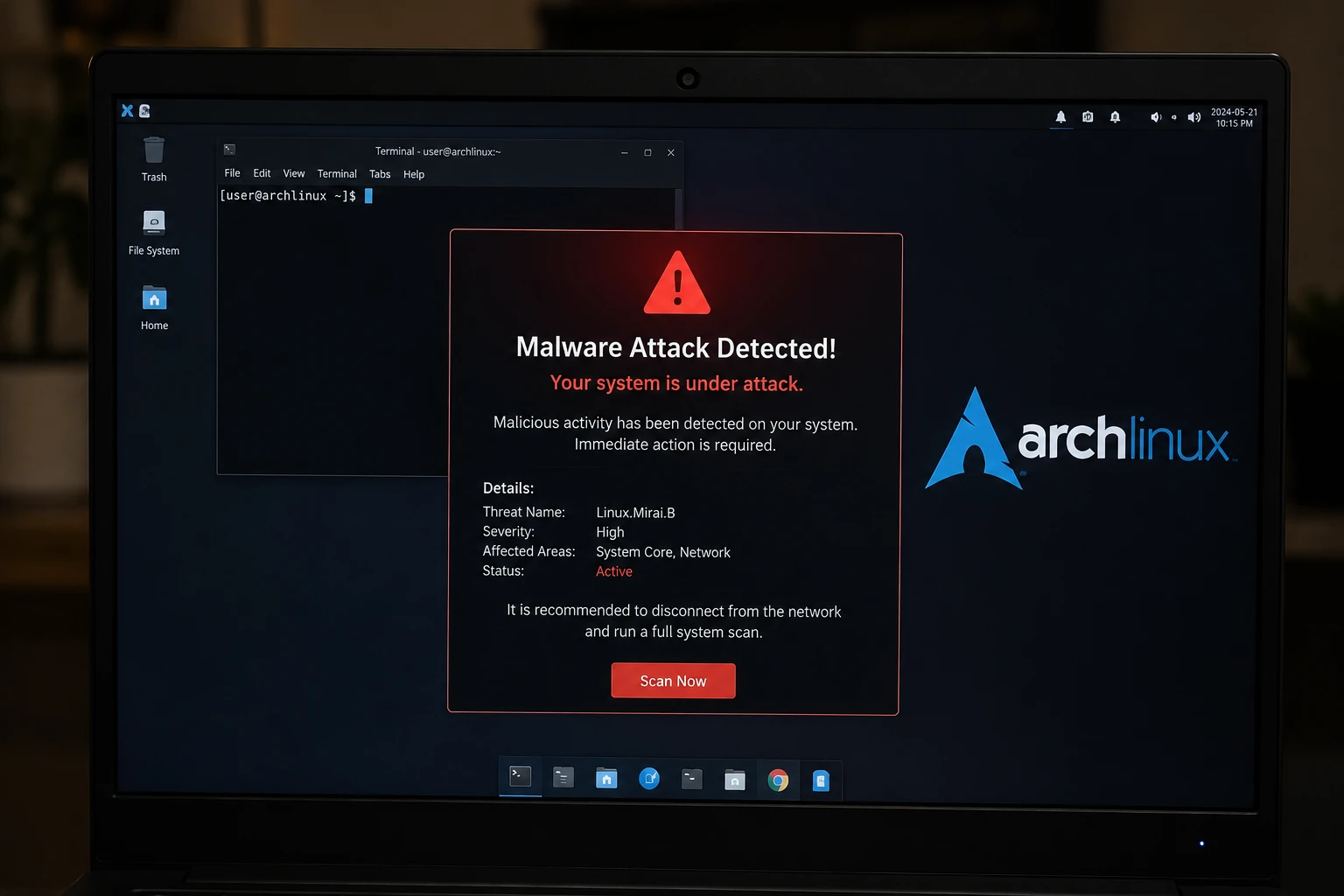
The AUR Malware Attack Exposed a Fact Most Arch Users Don’t Know
Here is something most Arch Linux users have never thought carefully about: the Arch User Repository…
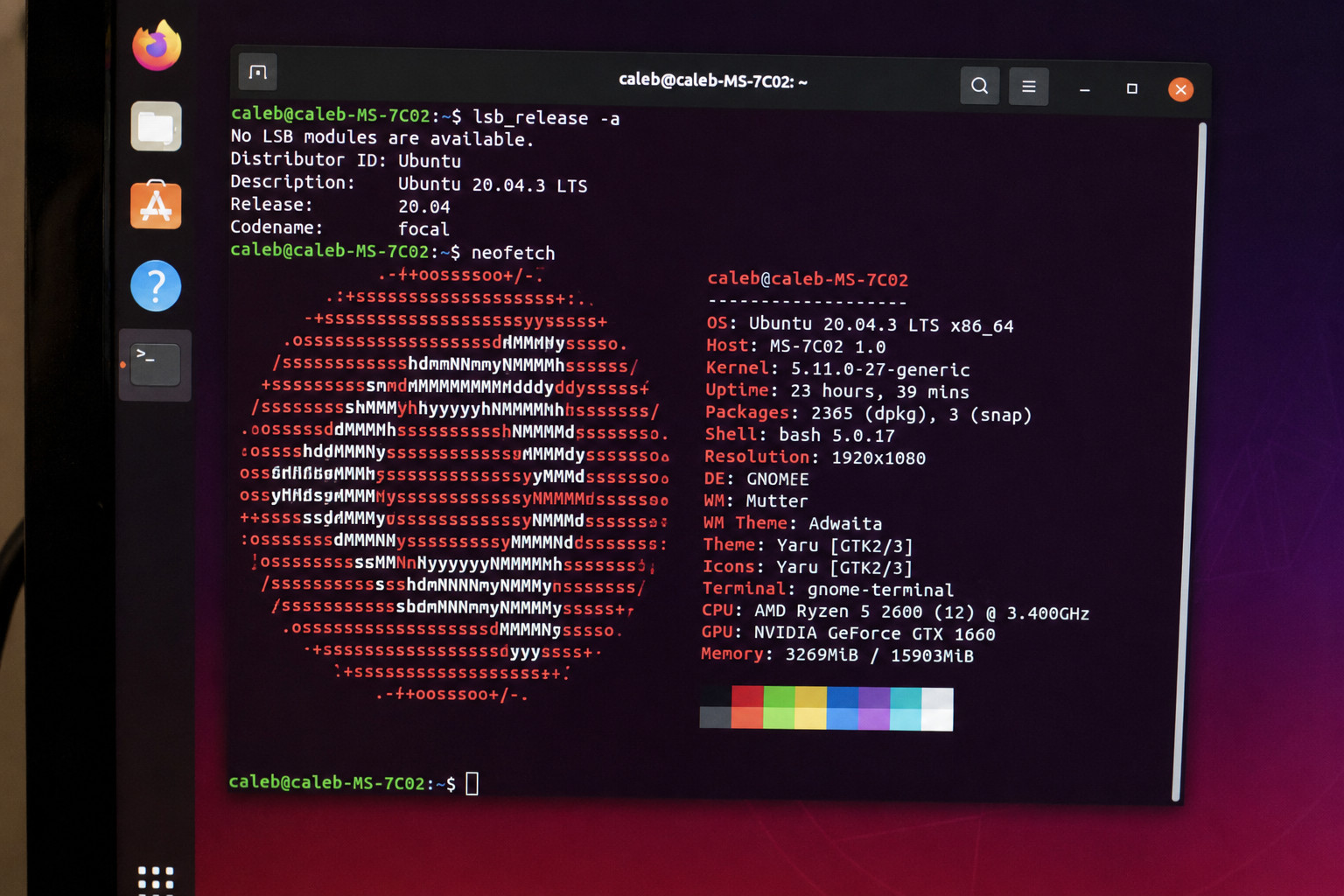
Ctrl+C Ctrl+V Not Working in Terminal? Here’s Why (Linux)
Ctrl+C Ctrl+V not working in terminal is one of the most common points of confusion for anyone new t…