Linux i486 support removed — a sentence that marks the end of one of the longest-running hardware legacies in modern computing. With the upcoming Linux 7.1 kernel, developers are officially phasing out support for Intel’s i486 processors, closing a chapter that spans more than three decades.
This isn’t just another technical cleanup. It’s the closing chapter of a 30+ year legacy.
A 1989 Processor Meets 2026 Reality
When the Intel i486 launched in 1989, it was cutting-edge technology. It introduced an integrated floating-point unit, improved cache handling, and a major performance leap over its predecessors.
For decades, Linux remained one of the last major operating systems capable of running on such hardware. That level of backward compatibility became part of its identity.
Now, with the upcoming Linux 7.1 kernel cycle, that long-standing support is being phased out.
Why Linux i486 Support Removed in Kernel 7.1
At first glance, it might feel surprising that Linux held on this long. But the real question is: why keep it any longer?
The decision behind linux i486 support removed isn’t emotional—it’s purely practical.
Practically zero real-world usage
Kernel developers have made it clear—there are virtually no modern systems still relying on i486 CPUs. Even lightweight Linux distributions have long since moved on.
Maintenance overhead
Supporting legacy hardware isn’t just a checkbox. It comes with real costs:
- Extra compatibility layers in the kernel
- Increased code complexity
- More room for obscure bugs
Maintaining these paths for hardware that almost nobody uses simply doesn’t make sense anymore.
Linus Torvalds’ perspective
Even Linux creator Linus Torvalds has weighed in, stating there’s “no real reason” to continue supporting the 486 architecture.
That’s about as definitive as it gets.
What’s Actually Changing?
This isn’t a sudden cutoff—it’s a structured removal.
With linux i486 support removed, several legacy configuration options and code paths are being eliminated from the kernel.
- Kernel configuration options specific to i486 are being eliminated
- Architecture-specific code paths are gradually removed
- Future kernels will no longer compile for i486-class CPUs
For most users, this change will go completely unnoticed.
What Still Works?
If you somehow still run an i486 machine (and if you do, respect), nothing immediately breaks.
You can still use:
- Older Linux kernel versions
- Long-term support (LTS) releases
- Custom or retro-focused distributions
In other words, the hardware isn’t being “killed”—it’s simply no longer part of the forward path.
This Has Happened Before
Linux has gone through similar transitions in the past.
Support for the even older i386 architecture was dropped back in 2012. At the time, it sparked debate—but ultimately helped streamline kernel development and improve performance on modern systems.
The removal of i486 support is just the next logical step.
What Linux Gains From This
Dropping legacy support isn’t about abandoning history—it’s about enabling progress.
Cleaner codebase
Less legacy baggage means a more maintainable kernel.
Faster innovation
Developers can focus on modern CPUs, architectures, and features.
Fewer bugs
Old compatibility layers often introduce edge-case issues that are hard to test and fix.
What About Retro Computing Enthusiasts?
For the retro community, this is more symbolic than practical.
i486 systems will continue to live on through:
- Archived Linux builds
- DOS environments
- Classic software and games
There’s even a niche community still building and maintaining 486-compatible systems today.
Linux stepping away doesn’t erase that ecosystem—it just acknowledges that it’s no longer part of mainstream development.
A Philosophical Shift?
Linux has long been known for the idea that it can “run on anything.” That spirit isn’t disappearing—but it is evolving.
The focus is shifting from everything ever made to everything that still matters in real-world use.
And that’s a necessary transition for any project that wants to remain relevant.
Final Thoughts: Respecting the Past, Building the Future
The Intel i486 wasn’t just another CPU. It was part of the foundation of personal computing—and an early home for Linux itself.
Letting go of it isn’t a sign of decline. It’s a sign of maturity.
Linux is moving forward, as it always has.
But somewhere out there, an old beige box is still humming along—running a kernel that remembers where it all began.
FAQ
Why is Linux removing i486 support?
Because the hardware is no longer used and maintaining support adds unnecessary complexity.
Will old i486 systems stop working?
No, they can still run older Linux kernels and distributions.
When will i486 support be fully removed?
Starting from Linux kernel 7.1, with full removal in future releases.
Does Linux still support old hardware?
Yes, but only hardware that still has practical use today.
Linux for Beginners: Complete 2026 Guide (Install, Basics, Tips)
This guide to Linux for beginners is designed to strip away the complexity and show you how modern, …

25 Practical Linux Terminal Tips and Tricks You’ll Actually Use (2026 Guide)
Why Learning the Linux Terminal Still Matters Linux Terminal Tips and TricksEven in 2026, the Linux …
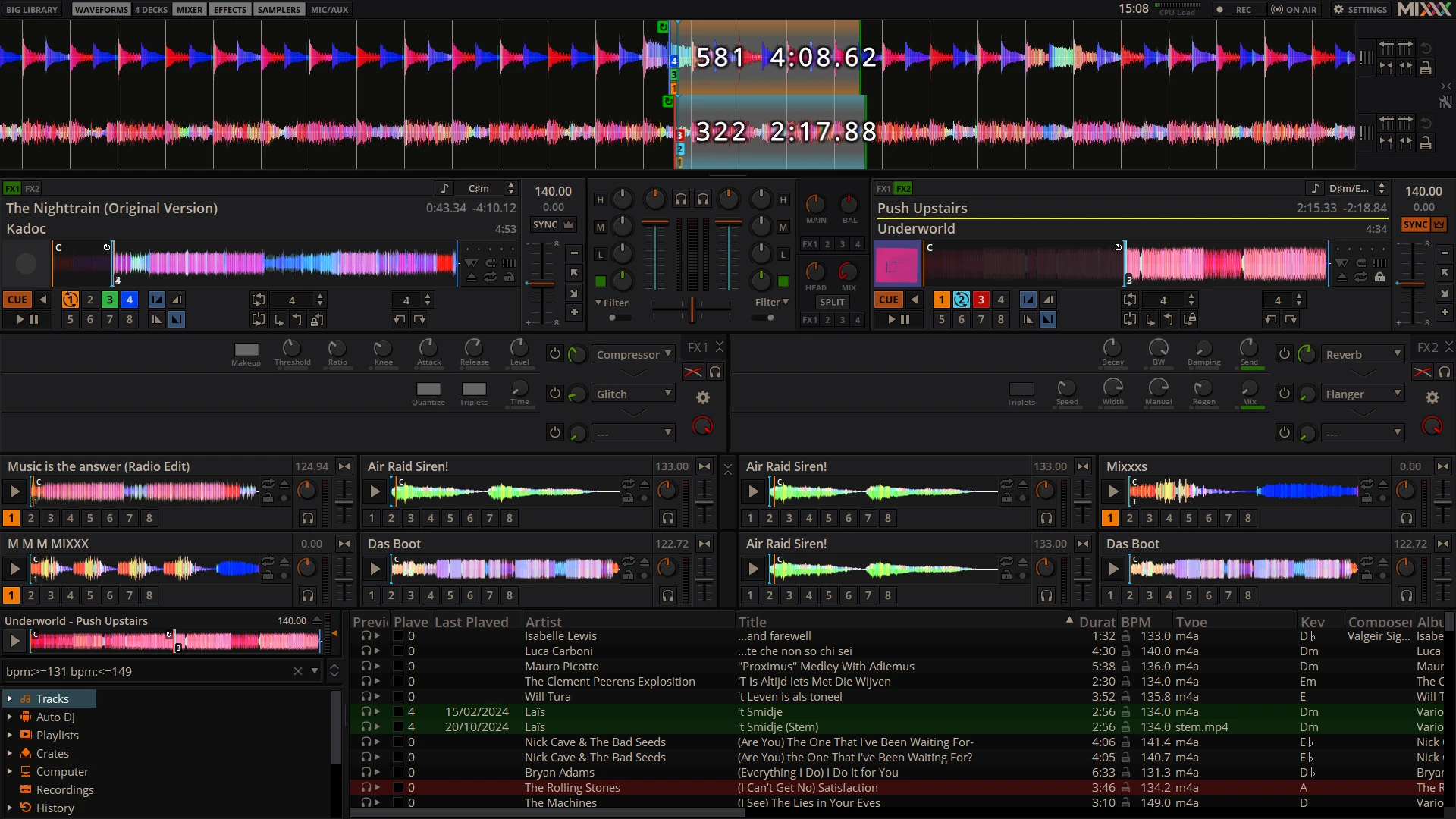
Mixxx 2.5.6 Released: Better Controller Support and Improved Effects for Linux DJs
The open-source DJ software scene continues to evolve, and the latest update to Mixxx brings meaning…
How to Automatically Clean Disk Space in Linux (Set Up Smart Auto-Cleanup in Minutes)
If your Linux system keeps running out of disk space, you’re not alone. Over time, cached packages, …

How to Add Swap Virtual Memory in Linux for Better Performance (Without Losing Data)
Running out of memory on a Linux system can slow everything down—or even crash your applications. If…
How to Fix Common Linux Performance Issues + Top Tools to Speed Up Your System
Why Is Your Linux System Running Slow? Linux is known for its speed and efficiency—but even the most…