As we navigate the midpoint of the 2020s, the Linux ecosystem, long the bedrock of enterprise computing and the open-source revolution, stands at a fascinating inflection point. Looking ahead to 2026, several converging technological and cultural shifts are poised to redefine how Linux is developed, deployed, and perceived. Here’s our forecast for the dominant Linux trends two years from now.
1. The AI-Native Operating System
By 2026, Linux will have fully embraced its role as the foundational layer for the AI boom. We predict a move beyond simply “running AI workloads” toward becoming an AI-native OS. Kernel-level optimizations for heterogeneous computing (mixing CPUs, GPUs, and NPUs) will become standard. Distributions will likely bundle low-level AI/ML toolchains by default, and system management will increasingly be handled by AI co-pilots that can predict failures, optimize performance, and handle complex CLI tasks via natural language prompts. The battle for the best AI development platform will be fought on Linux terrain.
2. The Immutable Infrastructure Leap
The rise of immutable, image-based Linux distributions (like Fedora Silverblue, Ubuntu Core, and openSUSE MicroOS) will accelerate from niche to mainstream, especially for edge computing and cloud-native deployments. In 2026, we expect major enterprise vendors to offer these as their default server OS. The promise of unbreakable, atomic updates, rollback safety, and enhanced security is too compelling for the containerized, scalable infrastructure of tomorrow. The classic, mutable Linux server will begin a long sunset for greenfield projects.
3. Confidential Computing Becomes Default
With quantum computing threats looming (however distantly) and data sovereignty regulations tightening, security will move from perimeter defense to data-in-use protection. Linux kernel support for confidential computing (AMD SEV, Intel TDX, Arm CCA) will mature, making encrypted VMs and shielded containers a standard checkbox in cloud and financial services. In 2026, we may see the first major distribution offering a “confidential-by-default” install profile for sensitive workloads.
4. The Linux Desktop’s Convergence Moment
The Linux desktop won’t “win” the mass market in 2026, but it will solidify its position as the premier platform for developer and creator workstations. Driven by the embrace of Flatpak and universal packaging, gaming via Steam Proton, and the relentless polish of environments like GNOME and KDE, the desktop experience will be more cohesive and accessible than ever. Furthermore, the line between desktop and mobile will blur further with continued progress on projects like PureOS and Plasma Mobile, perhaps spurred by new, open-hardware devices.
5. Sustainability & Power Efficiency in the Kernel
As energy costs and environmental concerns escalate, Linux’s role in managing power consumption will become a headline feature. Expect the kernel to incorporate more sophisticated and automatic power-scaling algorithms, particularly for data centers and battery-powered edge devices. “Green IT” metrics and carbon-aware scheduling (shifting workloads to times/regions with cleaner energy) could move from experimental patches to mainline kernel features by 2026.
6. Legal & Governance Crossroads
The transformative events of 2023-2024 surrounding RHEL source code accessibility have created lasting shockwaves. By 2026, we predict a clearer landscape will emerge: a strengthened independent ecosystem around Rocky Linux, AlmaLinux, and SUSE’s Liberty Line, alongside new, collaborative models for enterprise distribution development. This competition will ultimately drive innovation in support models, security response, and long-term maintenance guarantees.
The Invisible Giant Gains Visibility
Linux in 2026 will be more powerful, secure, and specialized than ever. Its traditional strength as the invisible engine of the internet will be complemented by its new role as the visible, cutting-edge platform for AI, confidential computing, and next-generation open devices. The core tenets of choice, openness, and community will continue to be its guiding star, ensuring that while the trends evolve, the penguin’s march forward remains unstoppable.
The future is open source. The future, as always, is built on Linux.
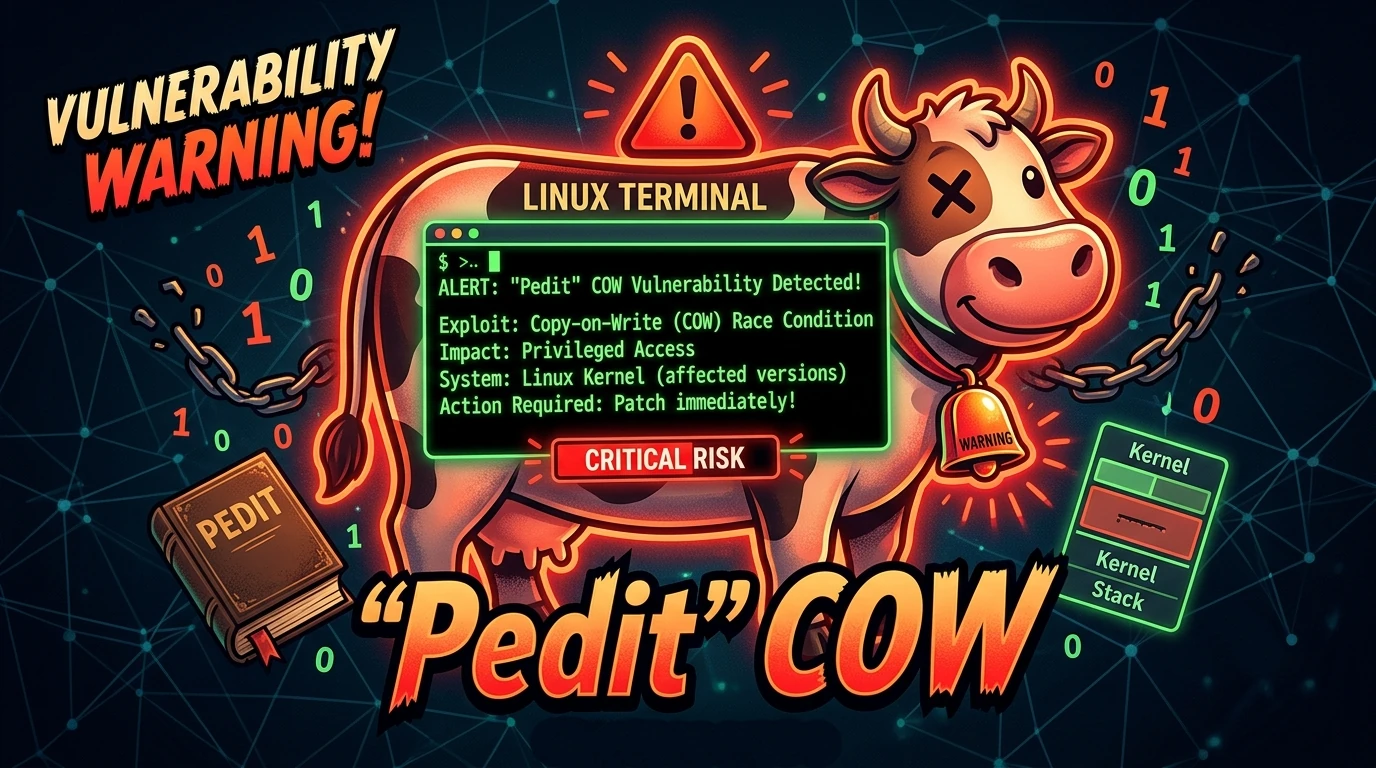
Pedit COW Explained: The Linux Kernel Flaw Letting Local Users Become Root
A new Linux kernel vulnerability nicknamed “pedit COW” has become one of the biggest sec…
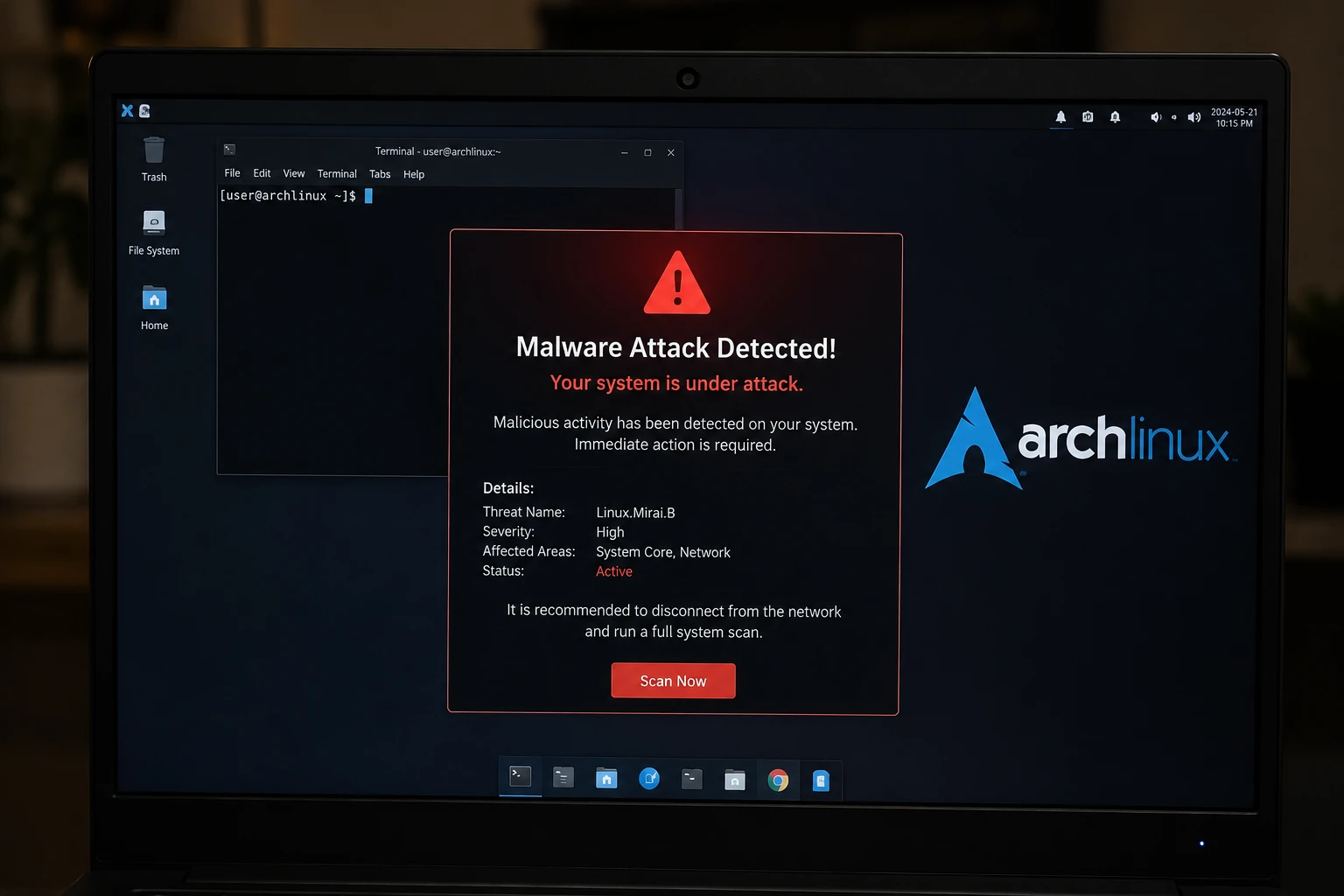
The AUR Malware Attack Exposed a Fact Most Arch Users Don’t Know
Here is something most Arch Linux users have never thought carefully about: the Arch User Repository…
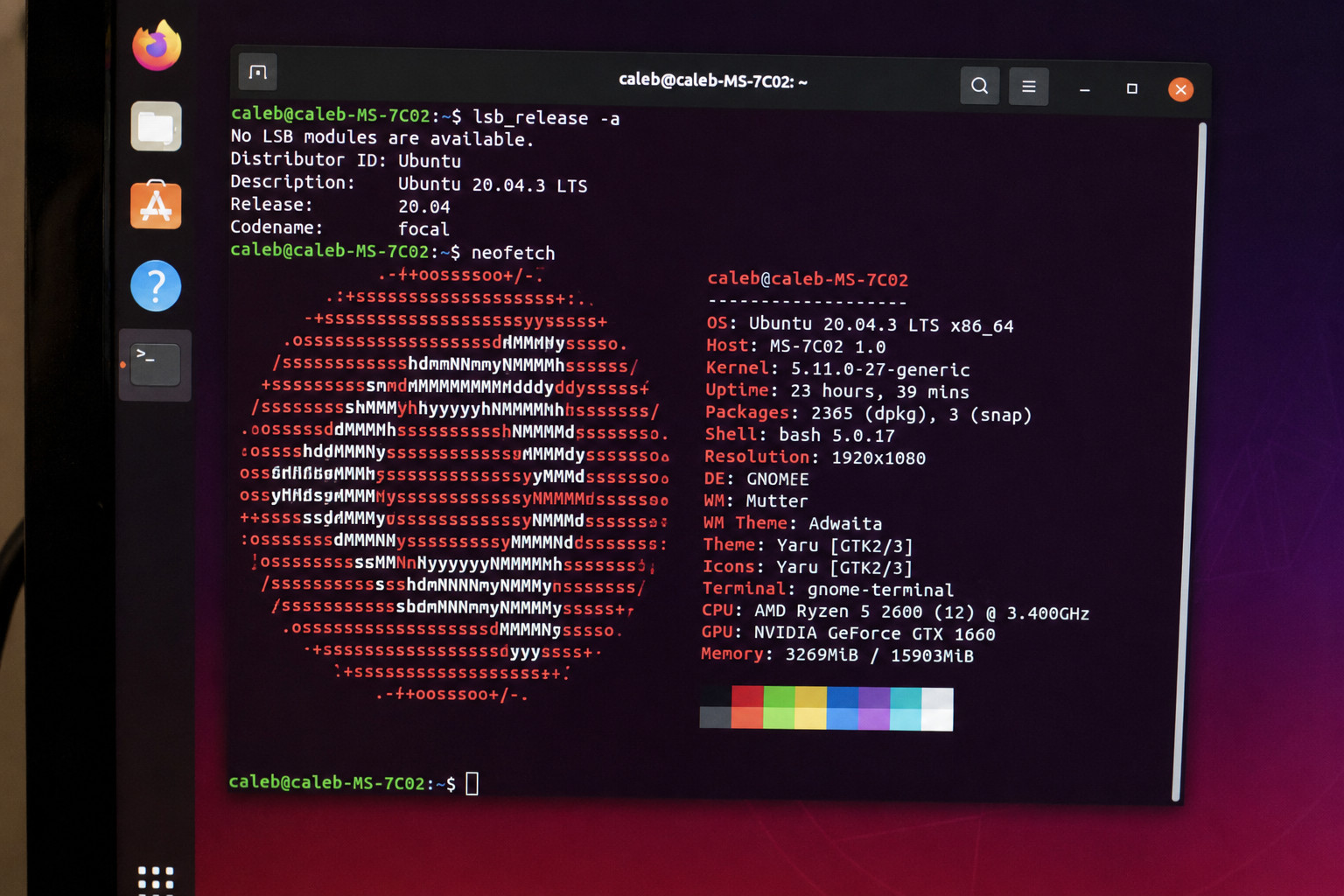
Ctrl+C Ctrl+V Not Working in Terminal? Here’s Why (Linux)
Ctrl+C Ctrl+V not working in terminal is one of the most common points of confusion for anyone new t…
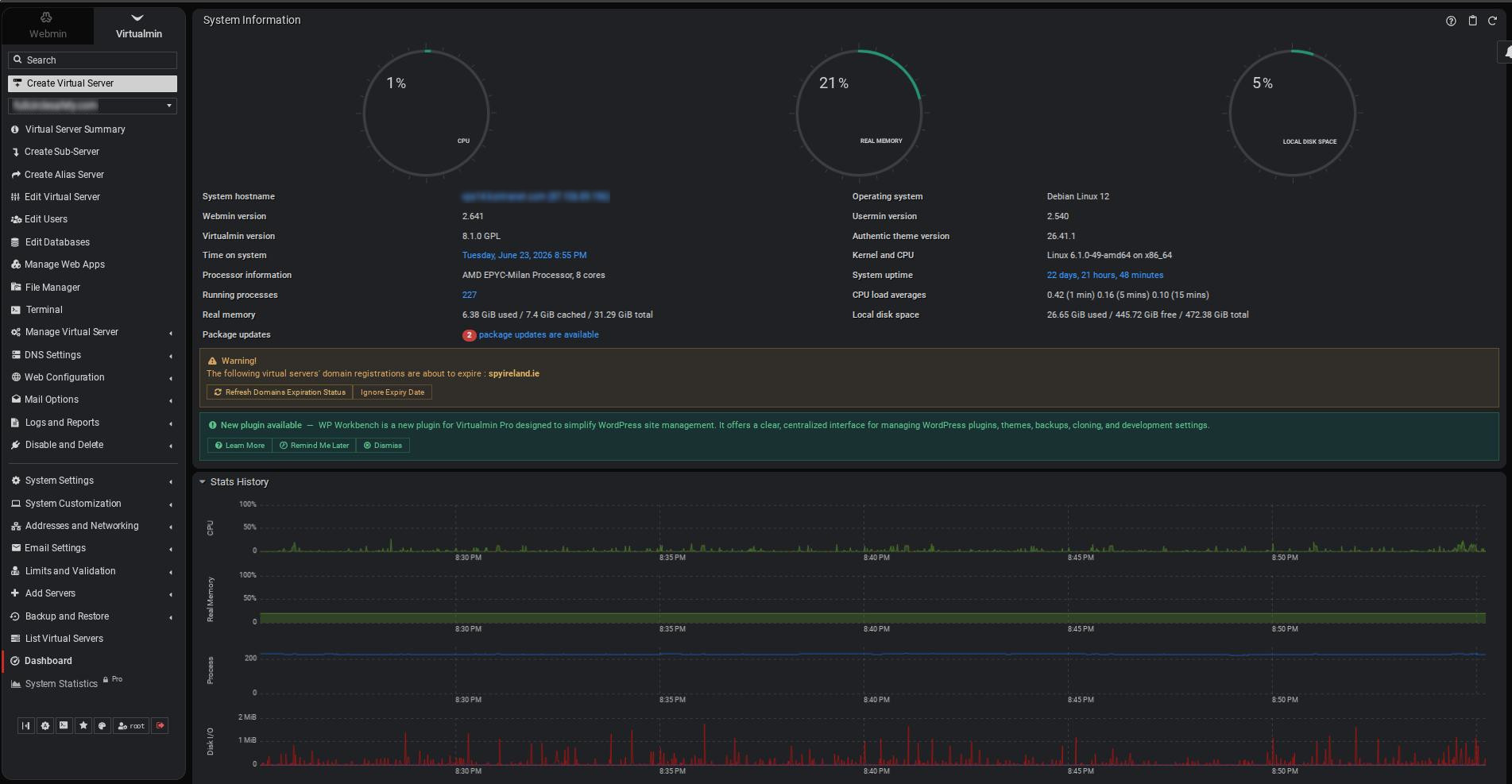
Best Linux VPS Hosting in 2026 (Compared for Developers)
A Linux VPS gives you your own isolated slice of a physical server — dedicated RAM, guaranteed CPU, …

Linux Kernel 7.1 Released — New NTFS Driver, Intel FRED, and What’s New
Published: June 18, 2026 | Released June 14, 2026 | Covers desktop, gaming, and server impact Linux …

Microsoft’s Secure Boot Certificates Expire June 27 — What Every Linux User Must Know
Secure Boot Linux 2026 has a deadline most users don’t know about. On June 27, 2026, Microsoft…