
Why Choose an Arch Based Linux Distribution?
Arch Linux has long been known for its rolling release model, cutting-edge packages, and complete user control. However, installing Arch manually can be intimidating—even for experienced users.
That’s where Arch-based distributions come in.
They provide:
- Preconfigured environments
- Easy installers
- Optimized performance
- Access to the Arch User Repository (AUR)
Whether you’re a beginner or an advanced user, there’s an Arch-based distro tailored for you.
1. Manjaro Linux
Manjaro is one of the most popular Arch-based distros, designed to make Arch accessible to everyone.
It features:
- User-friendly installer
- Stable update branches
- Excellent hardware detection
Perfect for beginners who want Arch power without complexity.
2. EndeavourOS
EndeavourOS stays very close to pure Arch while simplifying installation.
Key strengths:
- Minimal bloat
- Terminal-friendly environment
- Strong community support
Ideal for users transitioning from beginner to advanced.
3. Garuda Linux
Garuda stands out with its bold design and performance tweaks.
Highlights:
- BTRFS with snapshot support
- Gaming optimizations
- Eye-catching KDE interface
Great for gamers and power users.
4. ArcoLinux
ArcoLinux is designed as a learning platform for Arch Linux.
What makes it unique:
- Multiple editions
- Learning-focused documentation
- Flexible installation options
Perfect if you want to truly understand Arch.
5. CachyOS
CachyOS focuses heavily on performance optimization.
Features include:
- Custom CPU optimizations
- Improved scheduler tuning
- Fast package management
Excellent for high-performance systems.
6. RebornOS
RebornOS offers flexibility with a wide range of desktop environments.
Key benefits:
- Modular installation
- Clean user experience
- Customization freedom
Best for users who like to tailor everything.
7. Artix Linux
Artix is a systemd-free Arch-based distribution.
Important features:
- Alternative init systems (OpenRC, runit)
- Lightweight operation
- Greater system control
Perfect for advanced users avoiding systemd.
8. BlackArch Linux
BlackArch is designed for penetration testing and security research.
Highlights:
- Thousands of security tools
- Arch-based flexibility
- Professional-grade toolkit
Best suited for cybersecurity professionals.
9. Archcraft
Archcraft combines minimalism with aesthetics.
What stands out:
- Lightweight window managers
- Beautiful UI themes
- Fast performance
Ideal for low-resource machines.
10. ArchLabs Linux
ArchLabs focuses on simplicity and Openbox-based environments.
Key features:
- Minimal footprint
- Fast startup
- Clean interface
Great for users who want speed and simplicity.
11. Mabox Linux
Mabox is a lightweight and fast distro based on Manjaro.
Advantages:
- Openbox environment
- Low system requirements
- Highly customizable
Perfect for older hardware.
12. Bluestar Linux
Bluestar delivers a full-featured KDE experience.
Key points:
- Multimedia-ready system
- Pre-installed software
- Attractive interface
Good for users who want everything out-of-the-box.
13. Hyperbola GNU/Linux-libre
Hyperbola focuses on stability and freedom.
Features:
- Long-term support
- Free software only
- Security-focused
Ideal for privacy-conscious users.
14. SystemRescue (Arch-based edition)
SystemRescue is designed for system recovery and maintenance.
Use cases:
- Disk repair
- Data recovery
- System troubleshooting
A must-have tool for IT professionals.
15. ArchBang
ArchBang provides a lightweight Arch experience.
Benefits:
- Fast and responsive
- Minimal installation
- Simple workflow
Perfect for older systems or minimal setups.
Which Arch-Based Distro Should You Choose?
Your choice depends on your goals:
- Beginners → Manjaro, EndeavourOS
- Gamers → Garuda, CachyOS
- Power users → Artix, ArcoLinux
- Lightweight systems → Archcraft, Mabox
- Security → BlackArch
Final Thoughts
Arch-based Linux distributions offer the perfect balance between cutting-edge technology and usability. Whether you’re looking for performance, customization, or simplicity, there’s a distro that fits your needs.
Choosing the right one can significantly improve your Linux experience—without the complexity of installing Arch from scratch.

Best Linux Distro for Developers in 2026: 7 Top Picks by Use Case
The best Linux distro for developers is Ubuntu LTS for compatibility, Fedora Workstation for up-to-d…

Immutable Linux Distros Explained: The Image-Based OS Revolution in 2026
Immutable Linux distros have moved from a niche experiment to a mainstream desktop option in 2026. F…

GhostLock: A 15-Year Linux Kernel Bug Has a 5-Second Public Root Exploit
A Linux kernel vulnerability that has been hiding in plain sight since 2011 was publicly disclosed o…

How to Install Linux on a Laptop: A Step-by-Step Guide – 2026
Switching to Linux can breathe new life into an aging laptop, boost your privacy, and hand you full …
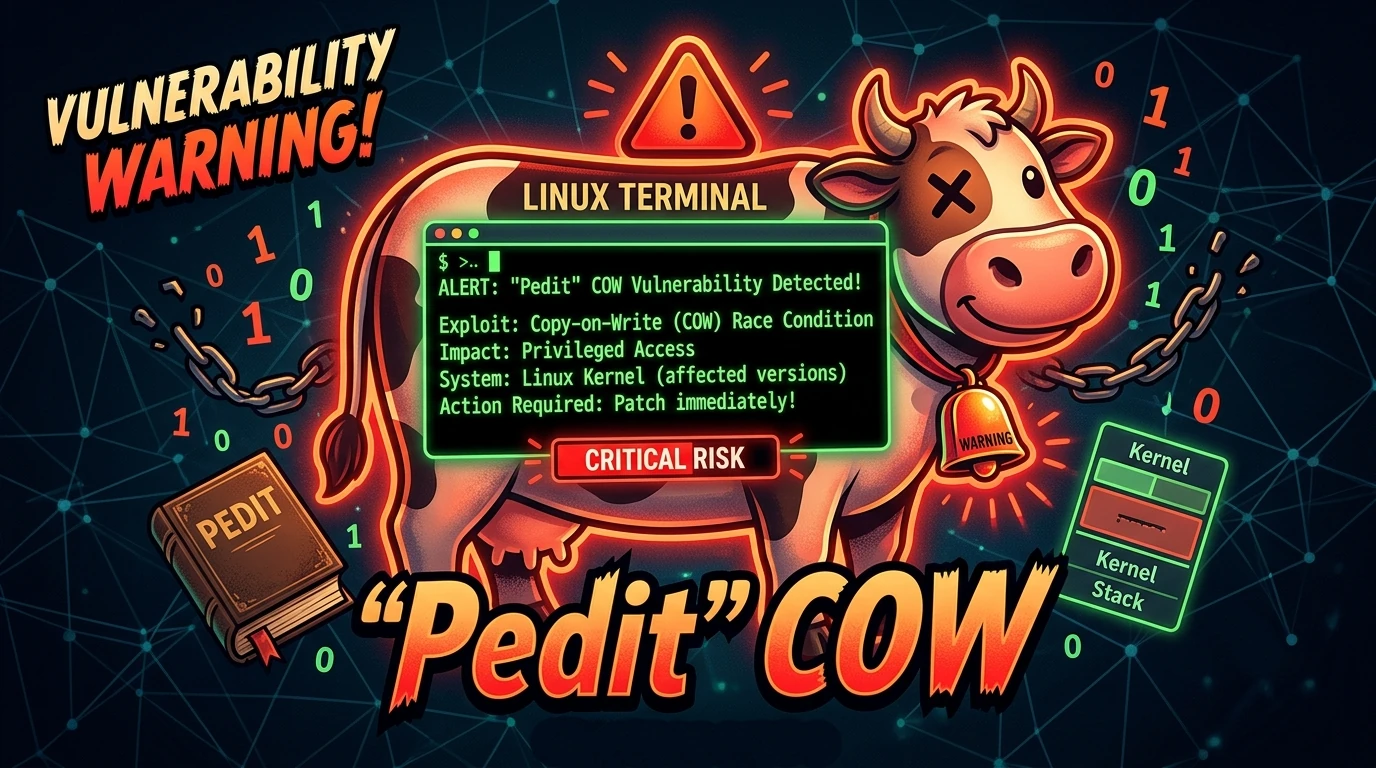
Pedit COW Explained: The Linux Kernel Flaw Letting Local Users Become Root
A new Linux kernel vulnerability nicknamed “pedit COW” has become one of the biggest sec…
The AUR Malware Attack Exposed a Fact Most Arch Users Don’t Know
Here is something most Arch Linux users have never thought carefully about: the Arch User Repository…