This guide to Linux for beginners is designed to strip away the complexity and show you how modern, sleek, and user-friendly the Linux ecosystem has become. Whether you want to breathe new life into an old laptop or claim total control over your digital privacy, we’ll walk you through everything from your first installation to mastering the essentials.
What Is Linux?
Linux is an open-source operating system kernel that powers a wide range of systems—from personal computers to servers and embedded devices.
Unlike proprietary systems, Linux gives you:
- Full control
- Transparency
- Flexibility
Different Linux distributions (distros) package the kernel with tools and desktop environments, creating complete operating systems.
Why People Switch to Linux
Switching to Linux is not just about saving money—it’s about gaining control.
Key benefits:
- No licensing fees
- Better performance on older hardware
- Strong security model
- Customization at every level
For many users, Linux becomes a long-term solution rather than an experiment.
Choosing the Right Linux Distribution
Not all Linux systems are the same.
Beginner-friendly options:
- Ubuntu
- Linux Mint
- Zorin OS
More advanced choices:
- Arch Linux
- Fedora
- Debian
👉 If you’re new, start simple. You can always switch later.
How to Install Linux (Step-by-Step)
Step 1: Download a distro ISO
Choose your Linux version.
Step 2: Create a bootable USB
Use tools like Rufus or Etcher.
Step 3: Boot from USB
Access BIOS/UEFI and select your USB drive.
Step 4: Install the system
Follow on-screen instructions.
Step 5: Restart and enjoy
Linux is ready to use.
Essential Linux Commands for beginners
Start with these:
ls
cd
pwd
cp
mv
rm
These form the foundation of Linux navigation and file management.
Using Linux Daily
Modern Linux systems are user-friendly:
- Web browsing
- Office work
- Media consumption
- Gaming support
You don’t need to rely on the terminal for everyday use.
Common Issues (And Fixes)
No WiFi
Install or update drivers.
No sound
Check audio settings.
Slow performance
Switch to a lighter desktop environment.
Beginner Tips That Make a Difference
- Don’t fear the terminal
- Keep your system updated
- Explore gradually
- Use community forums
Is Linux Worth It?
If you want:
- Speed
- Control
- Stability
Then Linux is absolutely worth trying.
Final Thoughts
Linux isn’t difficult—it’s just different.
Once you get used to it, it can become your primary operating system.
Linux for beginners FAQ
Is Linux hard to learn?
Not at all. Beginners can pick it up quickly.
Can I use Linux daily?
Yes, for most tasks.
Do I need coding skills?
No, only for advanced usage.
Immutable Linux Distros Explained: The Image-Based OS Revolution in 2026
Immutable Linux distros have moved from a niche experiment to a mainstream desktop option in 2026. F…

GhostLock: A 15-Year Linux Kernel Bug Has a 5-Second Public Root Exploit
A Linux kernel vulnerability that has been hiding in plain sight since 2011 was publicly disclosed o…
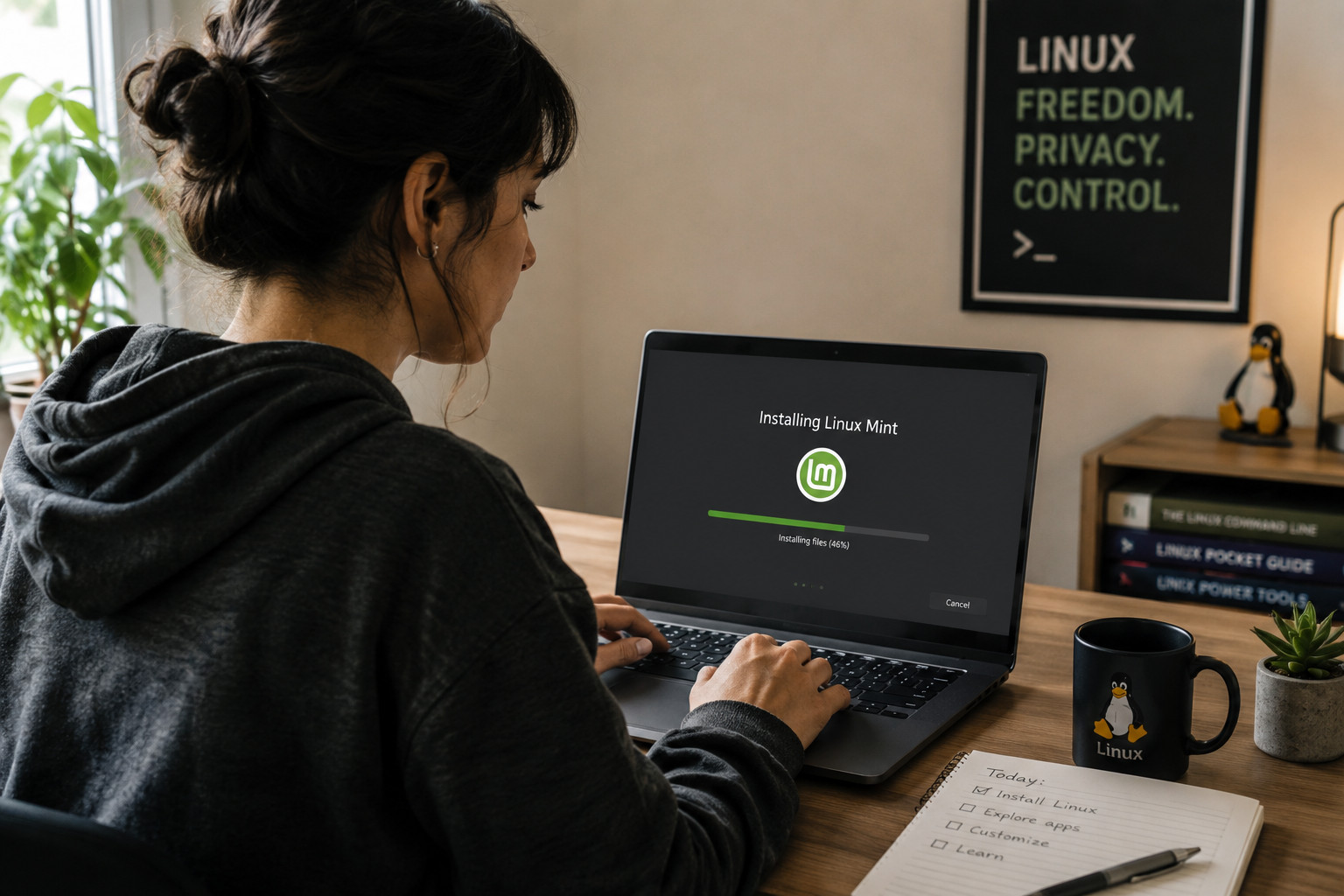
How to Install Linux on a Laptop: A Step-by-Step Guide – 2026
Switching to Linux can breathe new life into an aging laptop, boost your privacy, and hand you full …
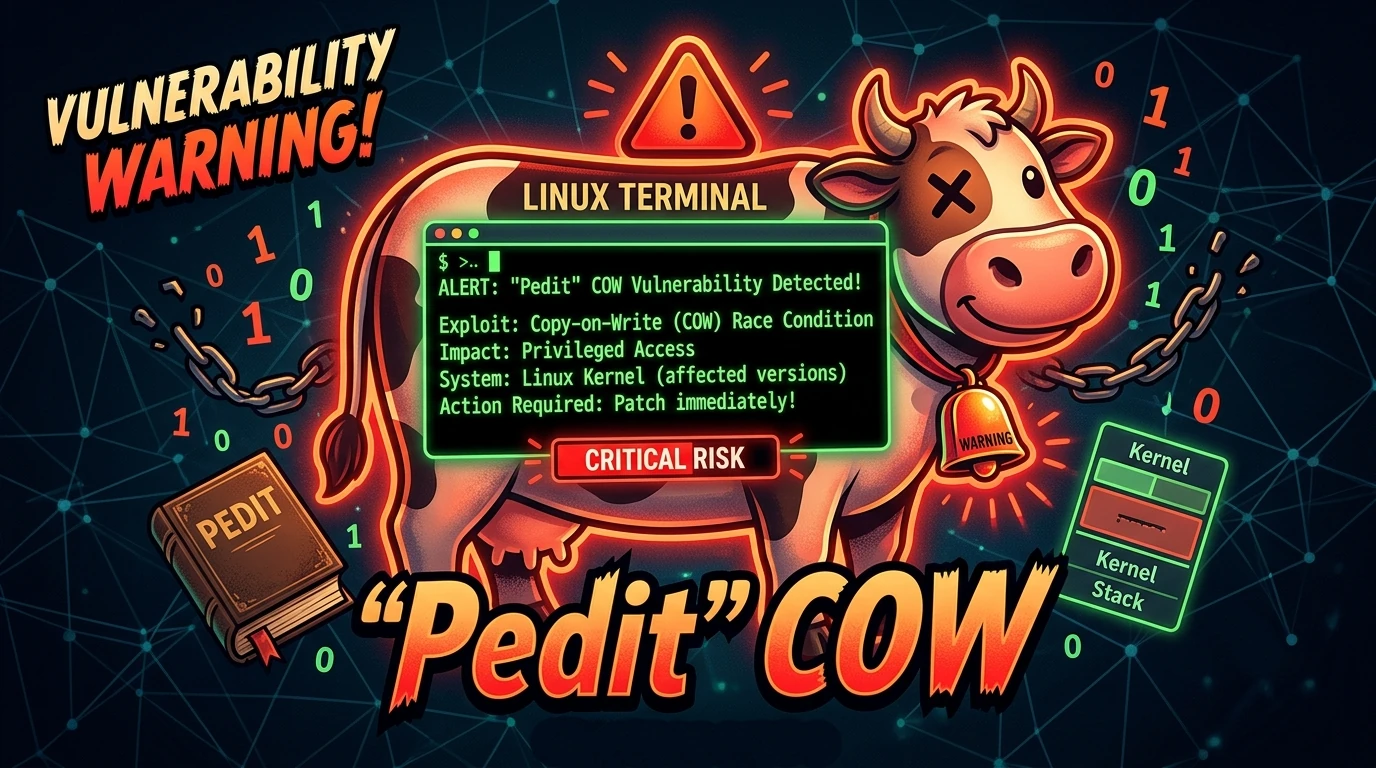
Pedit COW Explained: The Linux Kernel Flaw Letting Local Users Become Root
A new Linux kernel vulnerability nicknamed “pedit COW” has become one of the biggest sec…
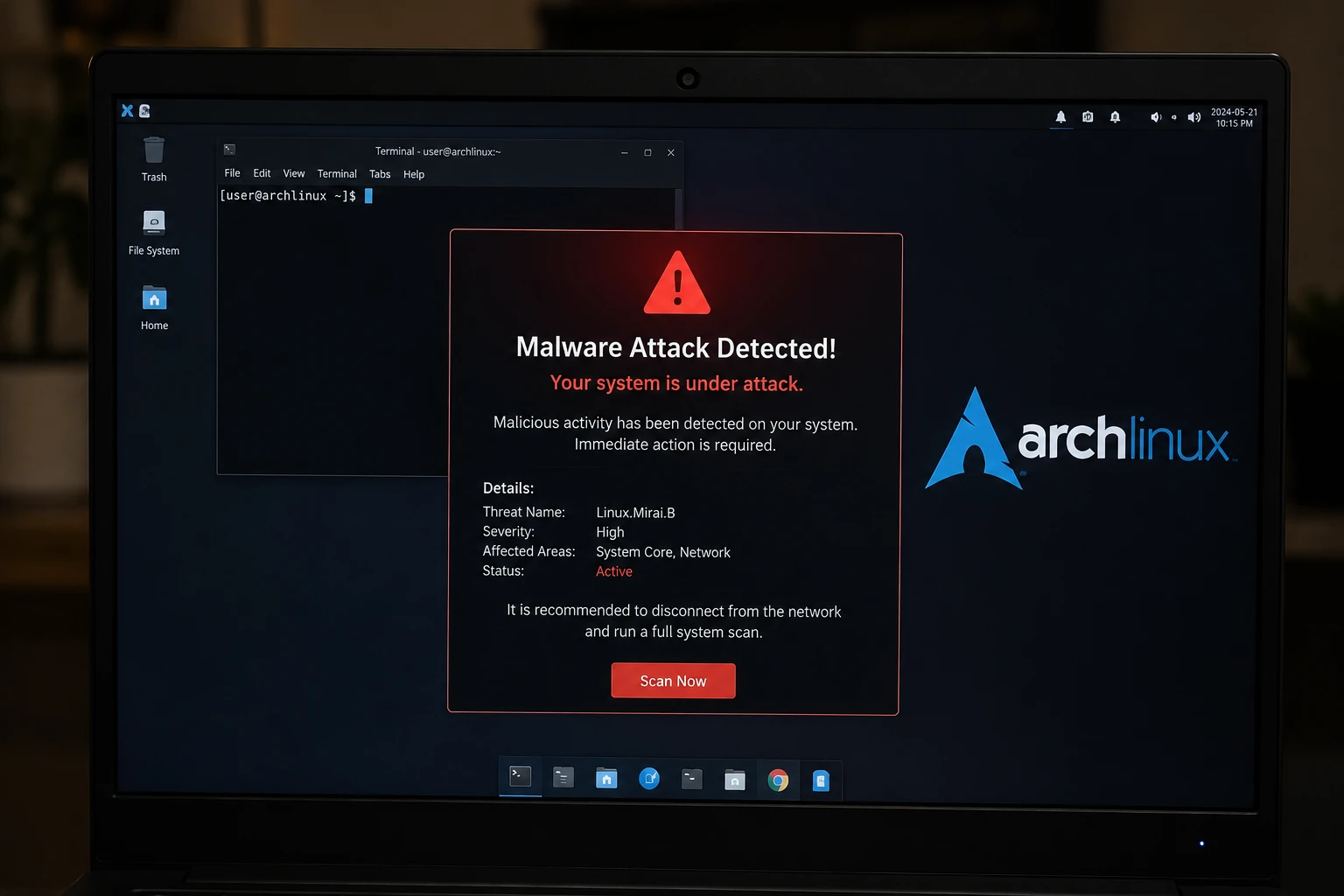
The AUR Malware Attack Exposed a Fact Most Arch Users Don’t Know
Here is something most Arch Linux users have never thought carefully about: the Arch User Repository…
Ctrl+C Ctrl+V Not Working in Terminal? Here’s Why (Linux)
Ctrl+C Ctrl+V not working in terminal is one of the most common points of confusion for anyone new t…